Missed deadlines, budget overruns, and constant stakeholder misalignment—these are the chronic headaches for Project Managers in the AEC sector. For decades, we’ve relied on static 2D Gantt charts, but here’s the hard truth: a static plan can’t manage a dynamic job site.
This disconnect is the root cause of costly rework and scheduling conflicts. This is precisely why leading AEC firms are moving beyond traditional project planning and embracing 4D Building Information Modeling. By integrating the 3D model with the fourth dimension (time), 4D BIM transforms a simple document into a powerful simulation tool. It’s the key to proactive, predictive, and profitable project management.
If your team is still managing complex projects with 2D plans, here are the five key advantages you’re missing out on.
Proactive Project Phasing & Sequence Visualization
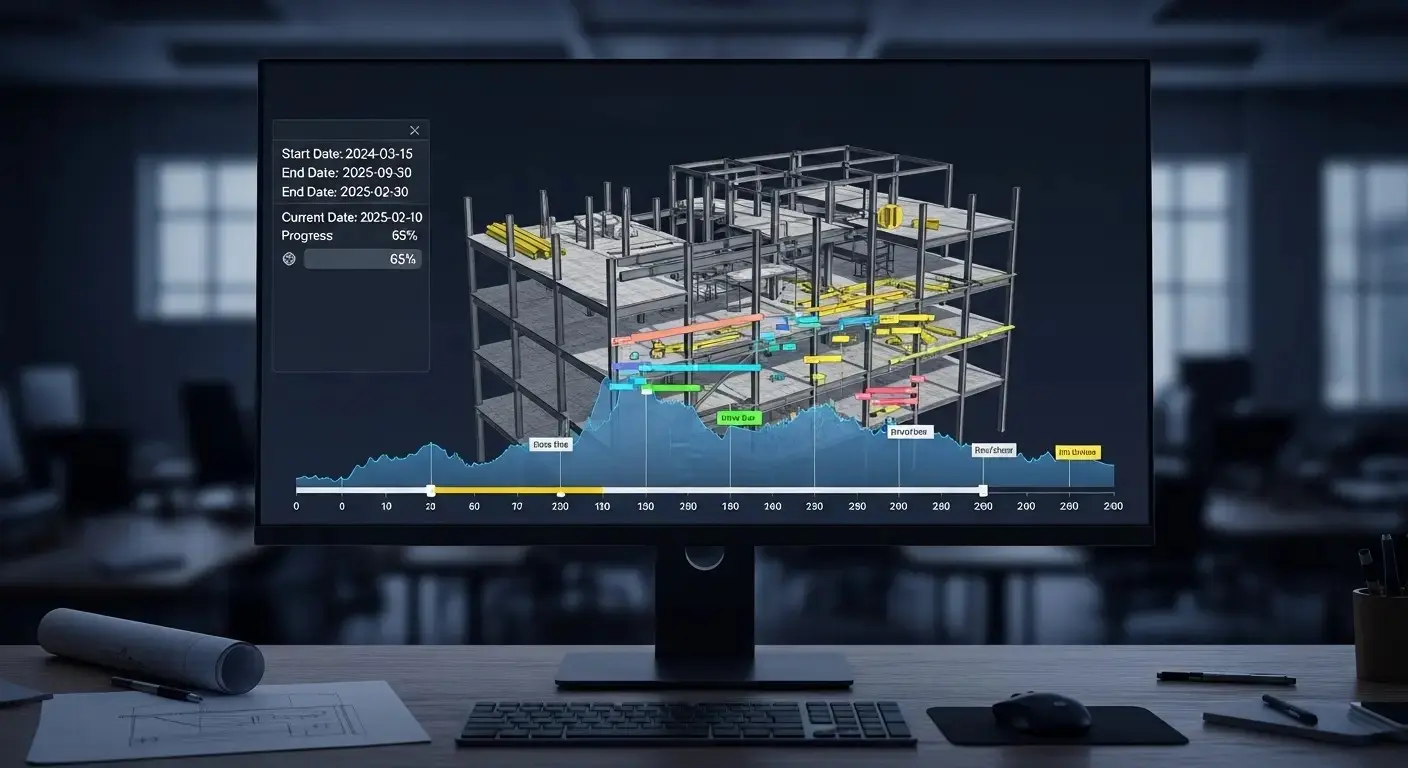
Static blueprints are a thing of the past. 4D BIM services allow you to visualize the entire project sequence before a single boot is on the ground.
By simulating different construction scheduling scenarios, you can optimize phasing, identify logistical bottlenecks (like crane placement or material laydown), and solve clashes before they cost you time and money. This shifts your team from reactive planning to proactive problem-solving.
Radical Stakeholder Alignment
Stop wasting time in meetings trying to explain a 2D schedule. A 4D BIM model provides a single, unambiguous source of truth that everyone can understand—from the project owner and architects to the on-site subcontractors.
When a client can see the 6-month look-ahead in a 60-second animation, expectations are set, buy-in is achieved, and costly misunderstandings are eliminated. This visual alignment is something no Gantt chart can offer.
Accurate, Real-Time Progress Tracking
How do you know if you’re really on schedule? 4D BIM provides a dynamic benchmark for success.
By comparing the “planned” simulation against “actual” site data (often captured via scans or photos), you get an instant, visual report of progress. This allows Project Managers to see precisely where a construction scheduling variance is occurring and make data-driven decisions to get the project back on track. It replaces guesswork with quantifiable, visual data.
Advanced Risk Mitigation & Clash Detection
Most construction conflicts arise from resource or time clashes. 4D BIM is your ultimate risk mitigation tool.
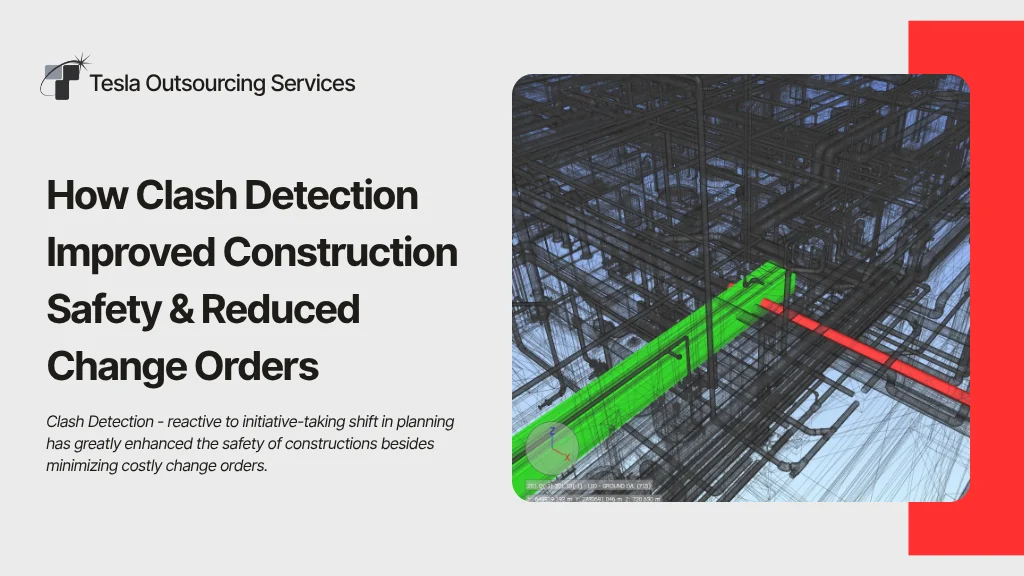
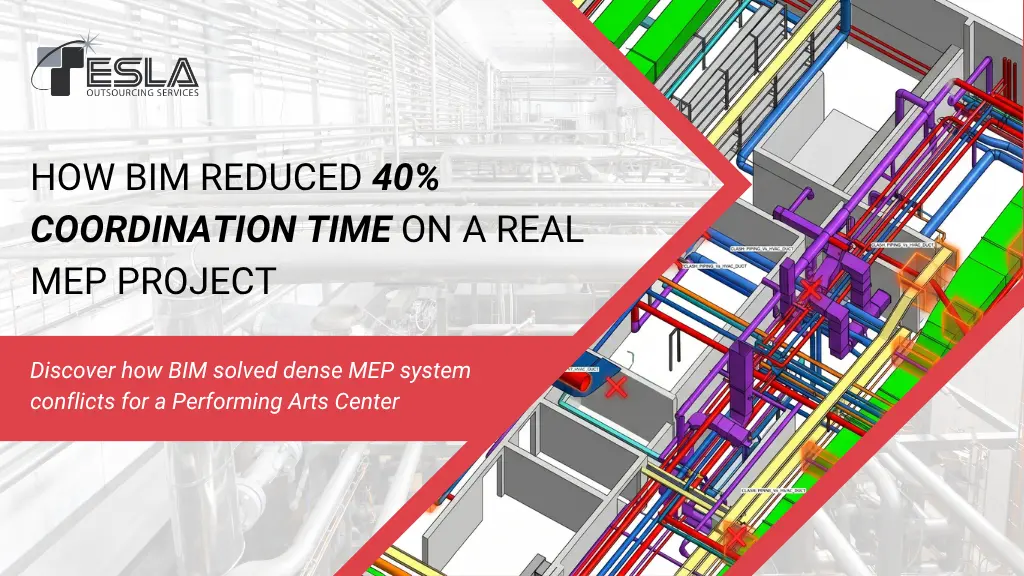
By simulating the build, you can identify not just physical (3D) clashes, but also temporal (4D) clashes—like two trades scheduled in the same space at the same time. This is the core of modern 4D clash detection. By resolving these issues in the digital model, you prevent the disputes, stop-work orders, and back-charges that kill project margins.
Drastically Improved On-Site Safety
A chaotic site is a dangerous site. A well-planned site is a safe one. 4D BIM services are a powerful tool for safety planning.
You can visually plan and communicate high-risk activities, such as crane lifts, excavation, or work at height. By simulating site logistics and escape routes, you ensure that your construction scheduling and your safety plan are perfectly aligned. This proactive approach to hazard identification protects your most valuable asset: your people.
Stop Planning, Start Simulating
In 2025, relying on 2D plans is no longer just inefficient—it’s a competitive disadvantage. 4D BIM services are the critical link between your 3D model and a successful project outcome, transforming your construction scheduling from a static document into a dynamic, predictive powerhouse. By visualizing your timeline, mitigating risks before they happen, and aligning all stakeholders, you move from a traditional PM to a true project visionary.
Frequently Asked Questions (FAQ’s)
How does 4D BIM improve construction scheduling specifically?
It makes the schedule visual. Instead of just a list of tasks and dates, you see a simulation of your project being built. This helps you identify logistical flaws, optimize the sequence of trades, and communicate the plan far more effectively than with a simple Gantt chart.
Is 4D BIM only useful for new, large-scale projects?
While it provides immense value on large projects, the principles of 4D BIM are scalable. It is increasingly used for complex renovation and retrofit projects, where phasing and logistics in an existing space are critically important.
Do we need special software to use 4D BIM?
4D BIM processes are typically run using software like Navisworks or Synchro, which can link 3D models (from Revit, etc.) with scheduling data (from Primavera P6 or MS Project). As your 4D BIM service partner, we manage the technical integration, providing you with the clear visual outputs and data you need to make decisions.
To learn more about how our 4D BIM services can streamline your workflow and protect your margins, contact us for a free consultation.
Talk to Experts