Introduction
In the fast-paced world of construction, the ability to visualize and communicate project ideas effectively is paramount to success. With the advent of advanced technologies like Building Information Modeling (BIM), construction professionals have gained powerful tools to streamline their processes and enhance project outcomes. Among these tools, 3D Rendering services stand out as a game-changer for the industry.
In this article, we’ll explore the myriad benefits that 3D rendering services offer to construction companies, from improved visualization to cost savings and marketing advantages. Gone are the days of deciphering complex blueprints and struggling to convey design ideas through static drawings. With 3D rendering, stakeholders can now immerse themselves in realistic virtual environments, allowing for a deeper understanding of project details and spatial relationships. Throughout this article, we’ll delve into specific examples and case studies to illustrate how 3D rendering services revolutionize the way construction projects are planned, executed, and marketed. By the end, you’ll have a comprehensive understanding of why incorporating 3D rendering into your workflow is essential for staying ahead in today’s competitive construction industry.
Improved Visualization with 3D Rendering
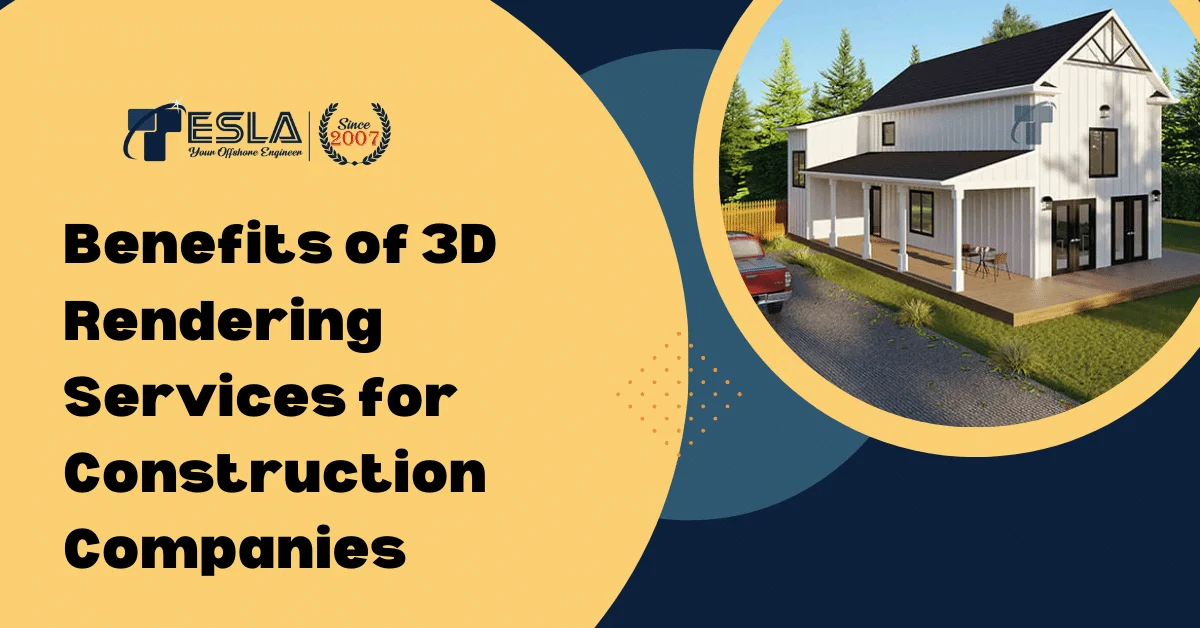
One of the primary benefits of leveraging 3D rendering services in construction projects is the unparalleled level of visualization it provides. Unlike traditional 2D drawings or blueprints, which can be difficult to interpret and visualize in three dimensions, 3D renderings offer a lifelike representation of the final product.
By generating highly detailed and realistic 3D models of buildings and structures, construction professionals gain invaluable insight into the project’s spatial layout, architectural features, and aesthetic elements. This enhanced visualization capability enables stakeholders to explore every aspect of the design before construction even begins, mitigating the risk of costly errors and rework down the line.
For instance, imagine a construction manager tasked with overseeing the development of a new office building. With 3D rendering services, they can visualize the building from all angles, zoom in on specific areas, and even take virtual tours through different floors and rooms. This level of detail allows them to identify potential design conflicts, evaluate material choices, and make informed decisions to optimize the project’s efficiency and functionality.
Furthermore, 3D renderings facilitate effective communication among project stakeholders by providing a common visual language for discussing design concepts and revisions. Whether presenting to clients, consulting with architects and engineers, or coordinating with subcontractors, construction professionals can rely on 3D renderings to convey their ideas accurately and comprehensively.
In essence, improved visualization Architectural Rendering Services empowers construction companies to approach projects with greater confidence and clarity, ultimately leading to smoother workflows, higher-quality outcomes, and increased client satisfaction.
Architectural rendering offers a multitude of uses and benefits for construction professionals, revolutionizing the way projects are conceptualized, developed, and presented. Here’s a breakdown of the key advantages:
- Visualizing Designs: 3D rendering allows professionals to visually represent design concepts with stunning realism, aiding in the comprehension of project aesthetics by clients and stakeholders.
- Design Development: Renders serve as invaluable tools for architects to refine and iterate on design ideas, providing a tangible platform for analysis and adjustments throughout the development process.
- Marketing and Presentation: Rendered images and videos serve as compelling marketing assets, enabling captivating presentations to potential clients, investors, and the public, thereby enhancing project visibility and attracting investment.
- Client Communication: Renders facilitate clear communication between architects and clients by effectively conveying design elements, materials, and spatial arrangements, fostering collaboration and alignment on project objectives.
- Conceptualization: Architectural rendering assists in the conceptualization of initial design ideas, transforming abstract concepts into tangible visualizations that serve as a foundation for further development.
- Planning Approvals: Renders aid in obtaining planning approvals from regulatory bodies by providing visual representations of proposed designs within the existing environment, streamlining the approval process and ensuring compliance with regulations.
- Interior Design Visualization: Beyond exteriors, renders showcase interior spaces, furnishings, and lighting, facilitating interior design decisions and enhancing the overall user experience.
- Material Selection: Architectural renders allow experimentation with various materials, textures, and finishes, enabling informed material selection decisions that align with project requirements and aesthetic preferences.
- Virtual Tours: Interactive 3D renders provide immersive virtual tours of spaces, offering clients and stakeholders a firsthand experience of the project and enhancing engagement and understanding.
Conclusion
In conclusion, the benefits of incorporating 3D rendering services into construction projects are undeniable. From improved visualization and enhanced communication to cost savings and marketing advantages, these services offer a comprehensive solution for navigating the complexities of modern construction. By leveraging the power of 3D rendering, construction companies can streamline their processes, reduce errors, and deliver projects with greater efficiency and quality. Embracing this technology is not just about staying ahead; it’s about redefining what’s possible in the competitive construction industry.