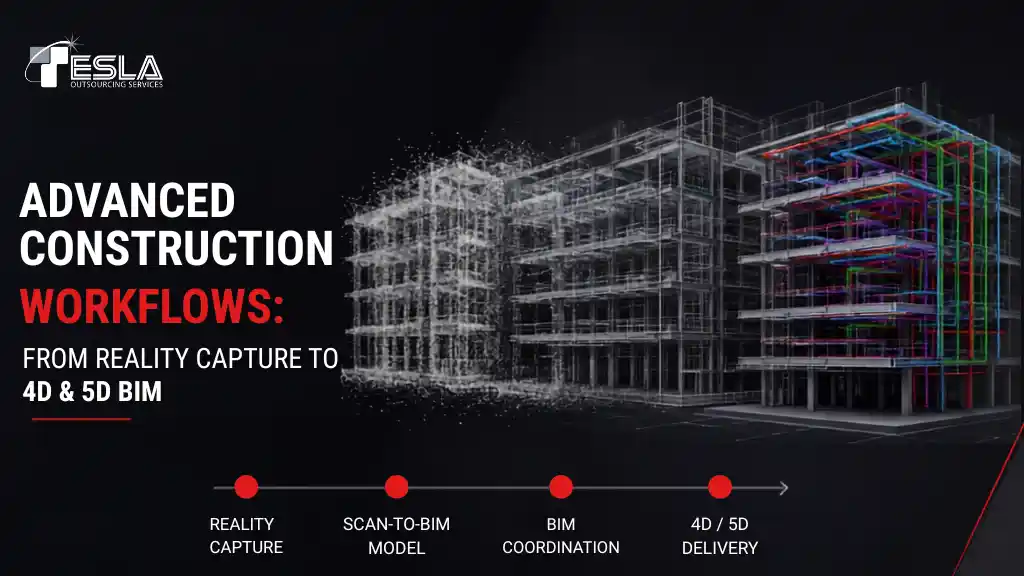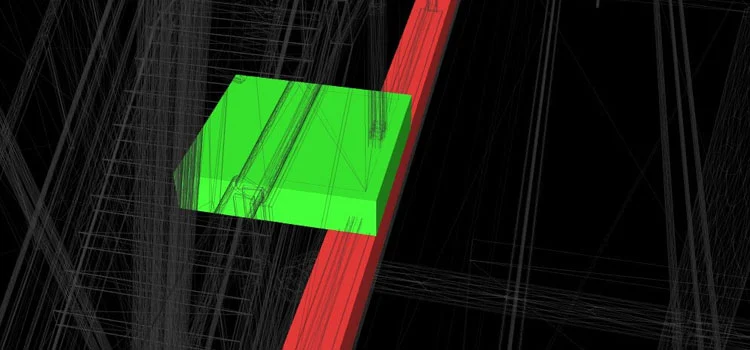
In the domain of virtual construction modeling and building information modeling, clash detection is one of the most critical phases of the BIM life cycle. More than just a technical step, it forms the very crux of BIM’s value proposition.
By detecting interferences or collisions between components across single or multiple disciplines, such as Architectural, Structural, and MEP, teams can identify and resolve physical conflicts before a single shovel hits the dirt. This proactive constructability review saves significant time and money during construction.
While various software platforms like Revit, ArchiCAD, and Tekla, Navisworks remains a premier, user-friendly tool that offers advanced features such as targeted clash tests and customizable clash rules.
Here is a closer look at how clash detection is strategically performed to keep construction projects on budget and on schedule.
Clash detection is just one piece of the puzzle. Discover how implementing BIM methodologies early on benefits the entire lifespan of a building, from conceptual design to facility management.
How Can BIM Add Value to Life Cycle Assessment?The Clash Detection Workflow: How it’s Performed
Clash detection services rely on a timed, methodical process using predefined elements. Throwing entire models together blindly leads to thousands of irrelevant errors. Instead, a strategic approach is required:
- Developing a Clash Matrix: The most effective way to plan a clash test is to develop a matrix. This allows the MEP consultant or modeler to group different elements logically and prioritize them alongside the construction plan and delivery schedule.
- Sequencing the Tests: Arranging the tests in a specific order is critical for accurate model updating. Failing to arrange these tests properly risks major redundancies and project delays.
- Applying Clash Rules: In Navisworks, a “Clash Rule” defines the specific criteria for choosing which objects to include in the test. Before running these rules, consultants must verify that the model adheres to strict naming conventions, such as IFC standards, to ensure accuracy.
Reporting and Collaboration
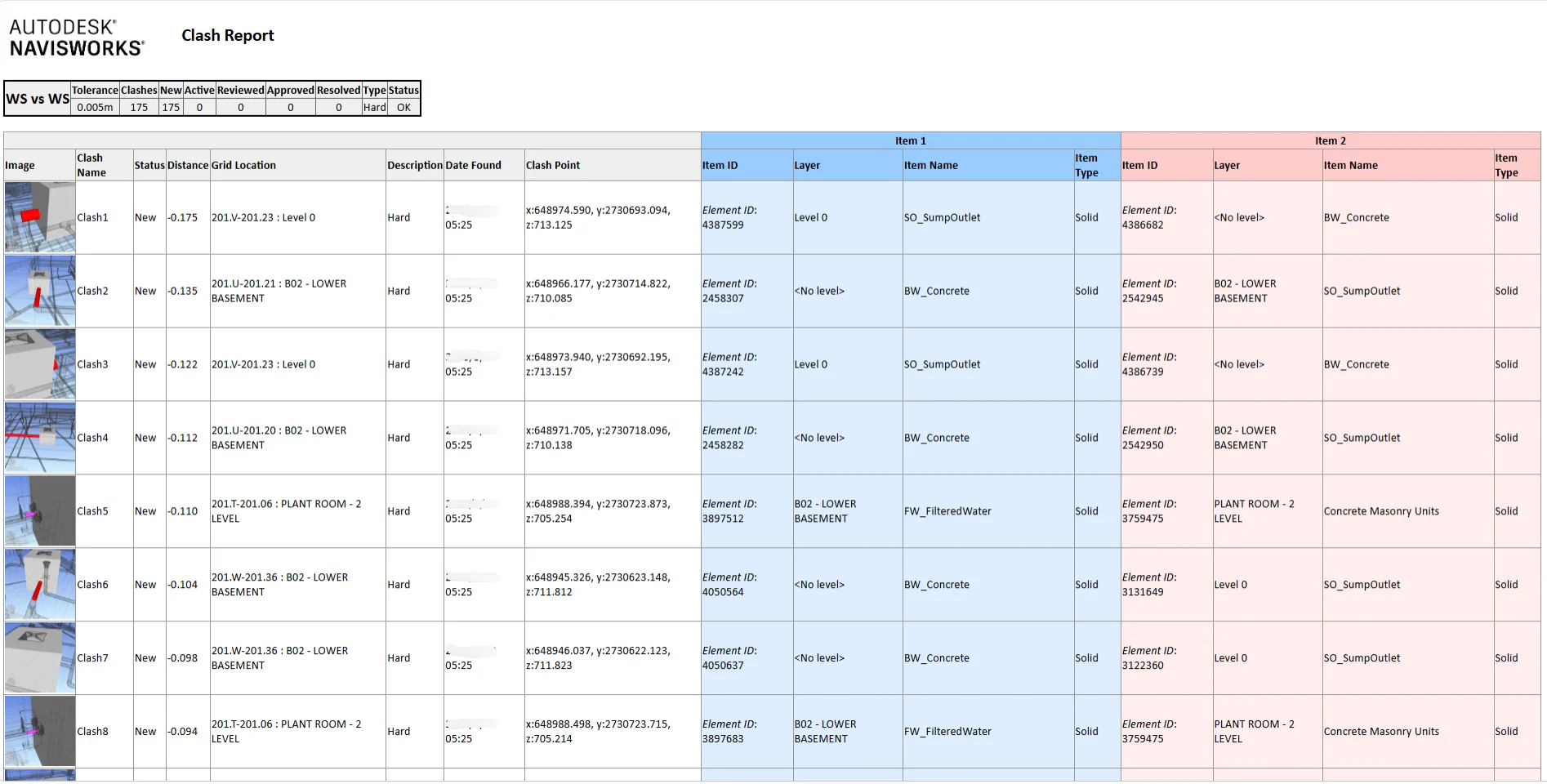
Identifying a clash is only half the battle; communicating it to the design team is the other.
Once Navisworks runs the test, it generates a comprehensive Clash Report. This report extracts crucial data, such as exact grid locations, element IDs, and layers, into readable formats, including HTML, PDF, and XML, for stakeholders.
However, modern teams are increasingly turning to BCF (BIM Collaboration Format). This open format is incredibly productive, allowing teams to analyze clash locations and collaborate seamlessly across multiple software platforms.
Note: Reports often include “soft clashes” or minor interferences that may not pose a physical threat to construction. Diligent tracking is vital to filter out these issues and focus on critical ones.
Best Practices for Resolving Clashes
When it comes time to actually resolve the interferences found in the MEP BIM coordination process, teams should follow a few general guidelines:
- Prioritize the Big Clashes: Always tackle the largest, most disruptive clashes first.
- Respect Immobile Elements: Structural and heavy plumbing components generally cannot be moved or modified easily. Resolve conflicts by rerouting the more mobile components.
- Adjust Tolerances: Run clash detection tests on different sets by specifying distinct tolerances. This helps filter out acceptable proximity warnings from actual physical collisions.
Still relying on traditional 2D overlays? Dive deeper into the massive financial and scheduling benefits of moving your coordination to a 3D environment. Read -> The Importance of BIM Clash Detection and MEP Coordination in Construction
Summary
Ultimately, MEP BIM clash detection is one of the most important parts of the BIM coordination process. Analyzing constructability issues early prevents the severe budget overruns, productivity losses, and delays that plague traditional construction methods.
Discover how our BIM Clash Detection specialists prevent field conflicts through rigorous model reviews.
Prevent Costly Rework