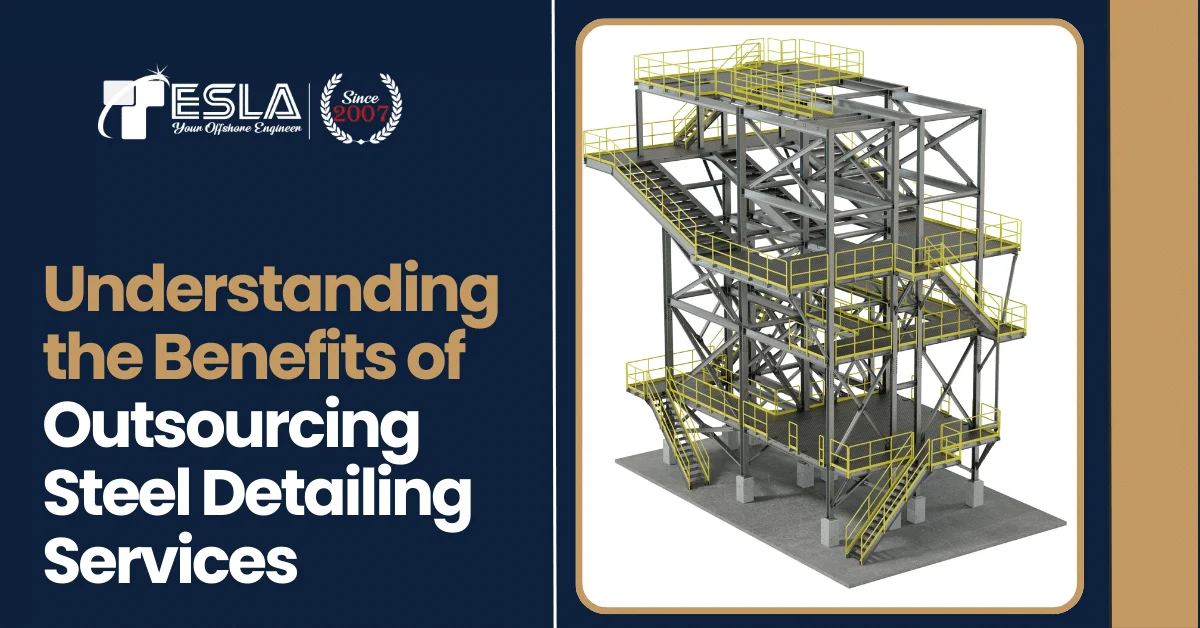
Steel detailing serves as a critical process within the construction industry, it acts as the bridge between the initial design concepts and the final steel structures. It involves the meticulous translation of architectural and engineering information into highly detailed plans specifically tailored for steel fabricators. These plans encompass comprehensive specifications, technical drawings, and clear instructions that dictate every aspect of the steel components, including their fabrication, assembly, and ultimately, their erection on site. To ensure the accuracy and seamless integration of these steel elements, structural steel detailers engage in close collaboration with architects, engineers, and contractors throughout the entire detailing process. However, the complexities of steel detailing, coupled with growing project demands, are prompting many firms to explore alternative solutions, such as outsourcing steel detailing services. In this blog we will explore in detail the compelling reasons why outsourcing steel detailing services can streamline workflows, boost project efficiency, and deliver cost-effective solutions for a successful build.
What are the types of Steel Detailing drawings?
Steel detailing drawings are vital blueprints used in construction to communicate how steel components should be fabricated and assembled. There are two main types of steel detailing drawings, such as:
1. Erection Drawings: These drawings are like a roadmap for the ironworkers responsible for putting the steel structure together on-site. They provide critical information for the physical assembly process, including:
- Dimensions: Precise measurements to locate each steel member in its designated spot within the structure.
- Placement: Clear instructions on where and how to position the steel components.
- Connection Methods: Details on how different steel pieces will be joined together, specifying the type of connections (bolts, welds, etc.) and any specific welding requirements.
- Site Work: Information about any additional work that needs to be done on-site, such as bolting procedures or installing anchors.
2. Shop Drawings: These drawings serve as a manufacturing guide for the steel fabricators who create the individual steel components off-site. They contain all the necessary details for accurate fabrication, such as:
- Dimensions: Exact measurements for each steel member, including length, width, and thickness.
- Material Specifications: Precise information about the type of steel required for each component.
- Cutting and Bending Details: Instructions on how the steel should be cut and shaped to meet the design specifications.
- Hole Placement and Sizes: Markings for any holes that need to be drilled into the steel for connections or other purposes.
- Welding Details: Detailed specifications for any welds required, including weld types, sizes, and locations.
Structural Steel Detailing Process: A Step-by-Step Guide:
The steel detailing services process is a critical step in ensuring the successful fabrication, assembly, and installation of steel structures. It involves meticulous planning, creation of detailed drawings, and close collaboration between various stakeholders. Here’s a closer look at each stage:
1. Design Drawing Creation:
- Software: Detailers utilize specialized software to generate precise two-dimensional (2D) and three-dimensional (3D) drawings.
- Components: These drawings depict individual steel parts like columns, beams, and braces.
- Specifications: The engineer incorporates crucial details like dimensions, orientations within the structure, and how these parts will connect to each other.
- Additional Information: The drawings may also include details on floor levels and potential alternative materials for consideration.
2. Materials and Budget Assessment:
- Drawing Review: The design drawings serve as the foundation for the contractor, fabricator, or erector to meticulously examine the project.
- Evaluation Factors: This assessment considers the project’s volume of steel required, the specific materials needed, the projected timeframe for completion, available resources, and any potential challenges that might arise during construction.
- Cost Estimation: Based on this comprehensive evaluation, an accurate cost estimate for the project is established.
3. Shop Drawing Creation:
- Fabrication Instructions: Fabricators take the design drawings and translate them into detailed shop drawings. These drawings serve as a step-by-step instruction manual for the production of steel components.
- Essential Details: Shop drawings include precise dimensions for each component, a complete list of required materials, along with specific details on connections, welding procedures, and assembly instructions.
- Erection Marks: Prior to construction, erection marks are incorporated into the shop drawings to guide the on-site assembly process.
4. General Arrangement Drawing (GAD) Creation:
- Modeling Software: Specialized modeling software is employed to create a General Arrangement Drawing (GAD), also known as a marking plan or marking elevation.
- Purpose: This drawing visually represents the precise placement of all fabricated components on the construction site. It also demonstrates how these components will connect to other structural elements.
5. Collaboration and Coordination:
- Teamwork: Throughout the steel detailing process, structural steel detailers work hand-in-hand with architects, engineers, and construction professionals.
- Verification and Review: This collaboration ensures that the steel components strictly adhere to the project’s design intent and meet all structural requirements.
- Problem-solving: The team proactively identifies and resolves any design issues that might arise, promoting a smooth and efficient construction process.
Benefits of Outsourcing Structural Steel Detailing Services
Structural steel detailing is a complex process that requires specialized software and expertise. Let’s take a look at some of the key advantages of outsourcing this service to a company like Tesla Outsourcing Services:
1. Reduced Investment in Technology:
Advanced software: Steel detailing necessitates the use of sophisticated Computer-Aided Design (CAD) software and Building Information Modeling aka BIM platforms. These programs can be expensive to purchase and maintain and also require ongoing licensing fees. Outsourcing eliminates the need for in-house software investment, allowing you to leverage the latest tools readily available to the detailing service provider.
Specialized tools: In addition to CAD and BIM, steel detailing often involves specialized tools for connection design, fabrication analysis, and material listing. By outsourcing, you gain access to this comprehensive software suite without the upfront cost.
2. Expertise and Efficiency:
Skilled professionals: Steel detailing demands a deep understanding of structural engineering principles, fabrication processes, and industry standards. Outsourcing connects you with a team of experienced detailers who possess this specialized knowledge, ensuring accurate and efficient project completion.
Streamlined workflows: Detailing companies have established workflows optimized for speed and accuracy. They can handle projects promptly, freeing up your internal resources to focus on other critical aspects of the construction process.
3. Cost and Time Savings:
Reduced software and training costs: As mentioned earlier, outsourcing eliminates the need to invest in software licenses and train your staff on its use.
Faster project turnaround: Detailing companies have the personnel and experience to complete projects efficiently, often leading to faster project completion times for you.
Improved project predictability: By outsourcing, you gain access to a reliable and predictable detailing process, minimizing delays and cost overruns associated with in-house detailing efforts.
4. Quality Assurance:
Industry compliance: Reputable detailing companies ensure that their work adheres to all relevant industry standards and codes. This reduces the risk of errors and delays due to non-compliant detailing.
Accuracy and attention to detail: Experienced detailers are meticulous in their work, producing accurate and high-quality drawings that minimize the potential for errors during fabrication and construction.
5. Enhanced Communication and Collaboration:
Clear communication channels: Detailing companies establish clear communication protocols to keep you informed throughout the project. They will work closely with you to understand your specific needs and provide regular updates on progress.
Responsive troubleshooting: Should any questions or issues arise during the detailing process; the outsourcing partner will have a dedicated team to address them promptly. Thus, ensuring a smooth workflow.
Conclusion
By outsourcing your structural steel detailing needs, you gain a strategic advantage over in-house detailing. You’ll benefit from reduced costs, improved efficiency, and access to the latest technology and expertise. This allows your internal team to focus on core competencies while ensuring high-quality, error-free steel detailing for a successful project outcome.
Ready to unlock the benefits of outsourcing steel detailing?
Contact Tesla Outsourcing Services today for a free consultation. Our team of experienced structural engineers are committed to providing exceptional service and exceeding your expectations. Let’s discuss your project requirements and explore how outsourcing can streamline your steel construction process.


