Introduction
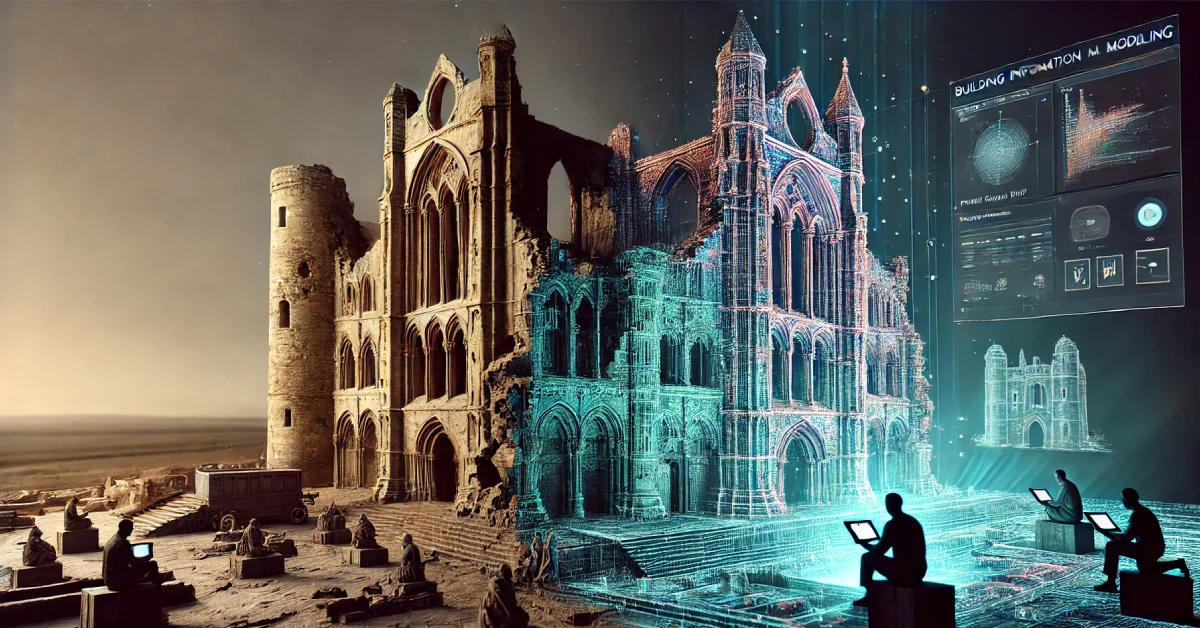
Imagine walking through an ancient temple or a historic castle, looking at the intricate details and the stories carved into every stone. Now, imagine a world where these structures, vulnerable to time and the elements, can be preserved digitally through Scan to BIM, also known as Point Cloud to BIM, ensuring their survival for generations to come. This is where Building Information Modeling (BIM) steps in, bringing digital solutions with the challenge of heritage conservation.
Heritage buildings are more than just bricks and mortar; they are symbols of history, culture, and identity. However, preserving them comes with significant challenges—decay, natural disasters, and lack of proper documentation. Traditional conservation methods often fall short in precision and efficiency. Scan to BIM Modeling on the other hand, offers a powerful solution by creating accurate digital replicas, helping in restoration, and providing timeless structures that stand tall for centuries to come.
So, how exactly does BIM help? Let’s learn about the fascinating intersection of digital innovation and heritage preservation.
Challenges in Heritage Preservation
Before we discuss how BIM revolutionizes conservation, it is essential to understand the hurdles architects, historians, and conservationists face when preserving historic structures.
BIM revolutionizes conservation
Structural Degradation
Over time, buildings suffer from material deterioration, weather conditions, pollution, and even human negligence. Unlike modern structures with well-documented blueprints, historical buildings often have hidden weaknesses that require careful assessment before restoration.
Lack of Accurate Documentation
Many historic structures were built centuries ago, with no digital or even written records of their designs. Restoration teams often struggle with missing blueprints, making it difficult to execute precise interventions.
Complex Restoration Processes
Unlike modern buildings, where renovations are straightforward, heritage conservation requires adherence to strict laws and guidelines to maintain authenticity. Restoring a 16th-century fort isn’t the same as remodeling a contemporary office space!
Balancing Preservation with Modern Needs
Many heritage buildings are still in use, requiring modern amenities like electricity, plumbing, and accessibility features. The challenge? Integrating these necessities without disturbing the historical essence of the structure.
Risk of Human Errors in Restoration
Heritage preservation requires extreme precision. Manual restoration efforts can sometimes lead to unintentional alterations or even damage. BIM helps minimize such risks by allowing digital simulations before physical interventions.
How BIM is Transforming Heritage Conservation
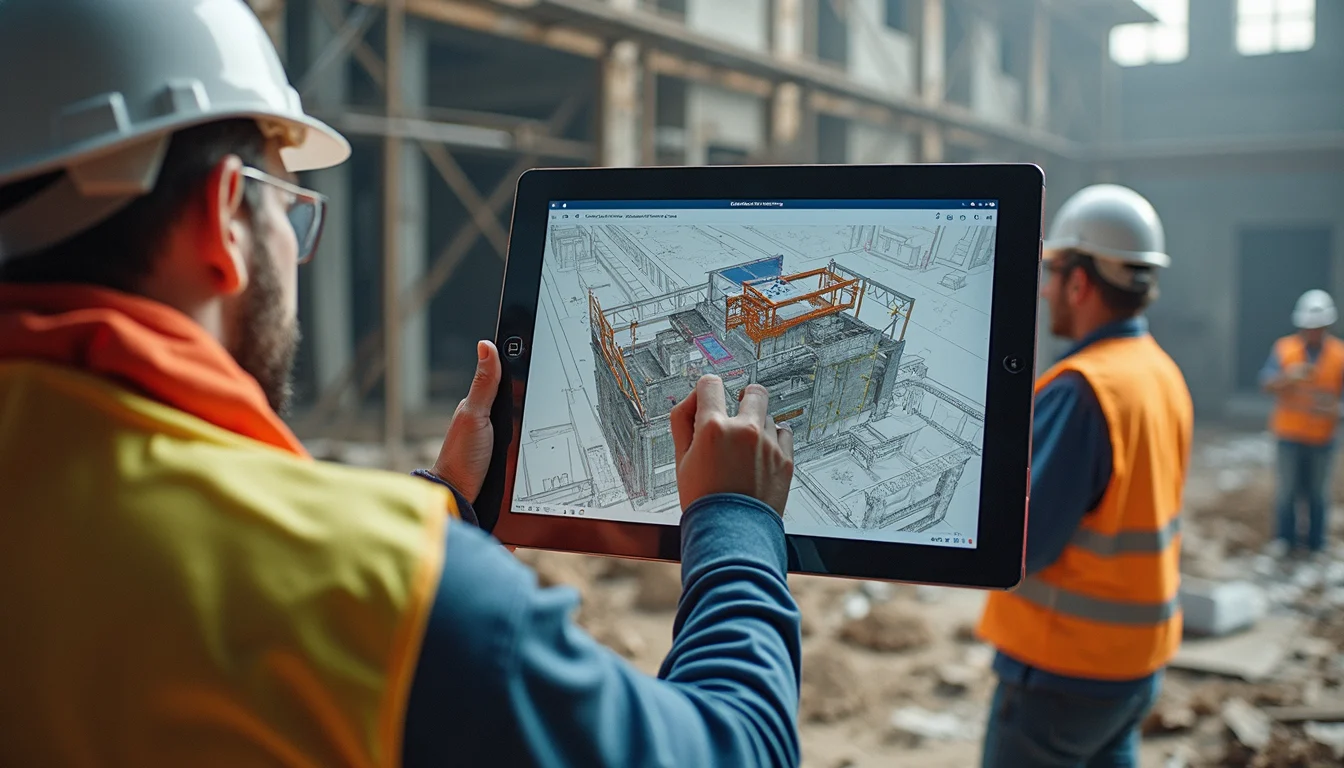
This is where BIM steps in as a game-changer, offering precise documentation, analysis, and simulation capabilities. Let’s break it down.
3D Laser Scanning & Reality Capture
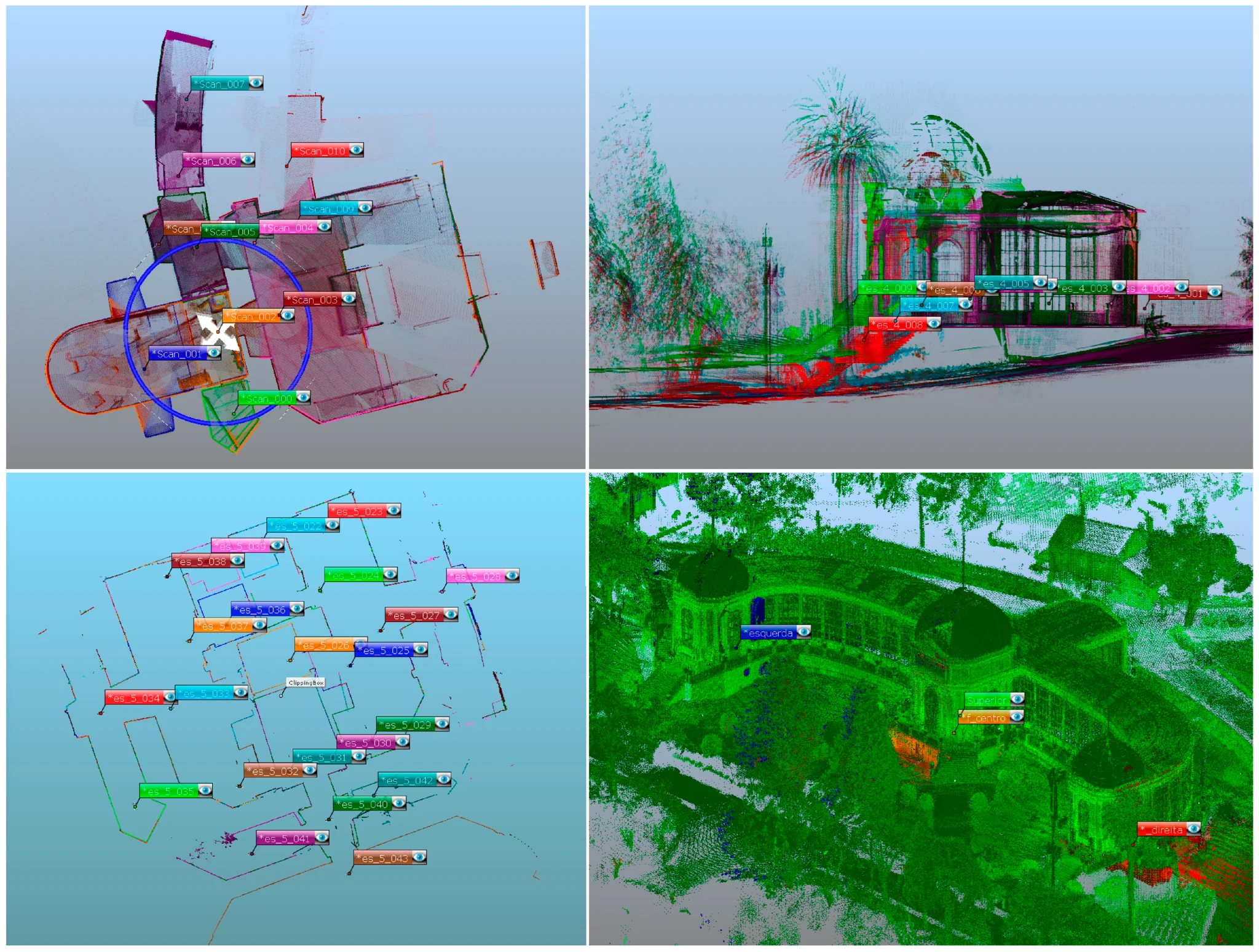
Think of this as high-tech archaeology! Using tools like LiDAR (Light Detection and Ranging) and photogrammetry, experts can capture millions of data points to create an accurate 3D digital twin of the structure.
- Example: The Notre Dame Cathedral in France was digitally scanned before the fire, allowing for precise reconstruction after the tragic incident.
- Benefits: A digital backup ensures restoration teams have an exact model to refer to in case of future damage.
3D Laser Scanning & Reality Capture
Source: https://www.mdpi.com/
Creating As-Built BIM Models
With point cloud data from laser scanning, architects can develop a detailed as-built model—a digital version of the existing structure. This model serves as a foundation for restoration planning and decision-making.
- Benefit: Unlike old blueprints, these models provide millimeter-level accuracy, reducing errors in restoration efforts.
Structural Analysis & Condition Assessment
BIM tools allow engineers to assess load-bearing capacities, detect material deterioration, and simulate how structural elements behave over time. This is crucial for buildings that have been weakened by earthquakes, weathering, or human impact.
- Example: The Basilica of Santa Maria di Collemaggio in Italy was restored using BIM after an earthquake caused significant damage.
Restoration Planning & Clash Detection
With a digital BIM model, teams can simulate restorations before executing them physically. This ensures that all interventions are well-planned, preventing surprises down the line.
- Example: In Spain, Sagrada Familia, designed by Antoni Gaudí, is being completed using BIM—ensuring that the modern additions seamlessly blend with Gaudí’s original vision.
- Clash Detection: BIM helps identify conflicts in restoration, ensuring that new installations (like modern HVAC systems) don’t disrupt historical integrity.
Time-Lapse Monitoring for Long-Term Conservation
BIM allows for time-lapse tracking of a structure’s condition, helping conservationists monitor changes and detect potential risks before they become major problems.
AI and IoT in Predictive Conservation
Emerging technologies like Artificial Intelligence (AI) and Internet of Things (IoT) sensors are revolutionizing conservation by predicting structural vulnerabilities before they become critical issues. AI analyses vast datasets, detecting micro-changes in material conditions, while IoT devices provide real-time monitoring of temperature, humidity, and vibration levels.
- Example: IoT sensors installed in the Colosseum in Rome help monitor its structural stability, ensuring proactive conservation measures.
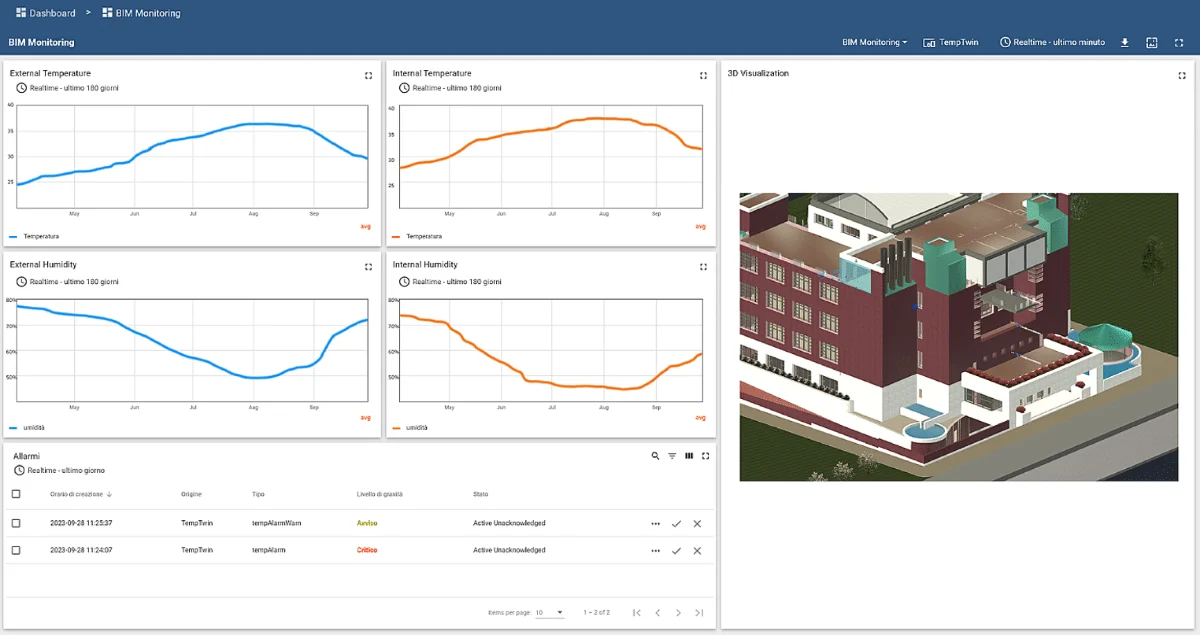
IoT Based Framework
Source: https://link.springer.com/article/10.1007/s12065-024-00959-y
Community Engagement through Digital Heritage
BIM is not just for experts; it is transforming how communities engage with their cultural heritage. 3D virtual models, AR/VR experiences, and interactive heritage platforms allow the public to explore and appreciate historic sites in new ways.
- Example: The virtual reconstruction of ancient Pompeii allows users worldwide to explore the city as it once was, making history more accessible and engaging.
The Benefits of BIM in Heritage Conservation
Why should conservationists and architects embrace BIM? Here are some compelling reasons:
Improved Collaboration
Heritage conservation isn’t a one-person job—it involves architects, engineers, historians, government bodies, and cultural preservationists. BIM provides a centralized platform where all stakeholders can collaborate seamlessly.
Cost & Time Efficiency
Traditional restoration methods involve a lot of trial and error. With BIM, teams can plan, reducing unexpected delays and budget overruns.
Sustainable Conservation
BIM supports adaptive reuse, allowing heritage buildings to be repurposed for modern use without losing their historical charm. It also helps optimize resource allocation, reducing material waste during renovations.
Digital Preservation & Virtual Tourism
One of the coolest applications of BIM? Virtual heritage experiences! Digital twins of historic sites can be used for virtual tourism, allowing people worldwide to explore iconic places from the comfort of their homes.
- Example: UNESCO has started digitising heritage sites, enabling virtual access and ensuring these sites remain “alive” even if physical deterioration occurs.
Real-World Examples of BIM in Heritage Conservation
Let’s look at some amazing projects where BIM has played a key role in preserving architectural history.
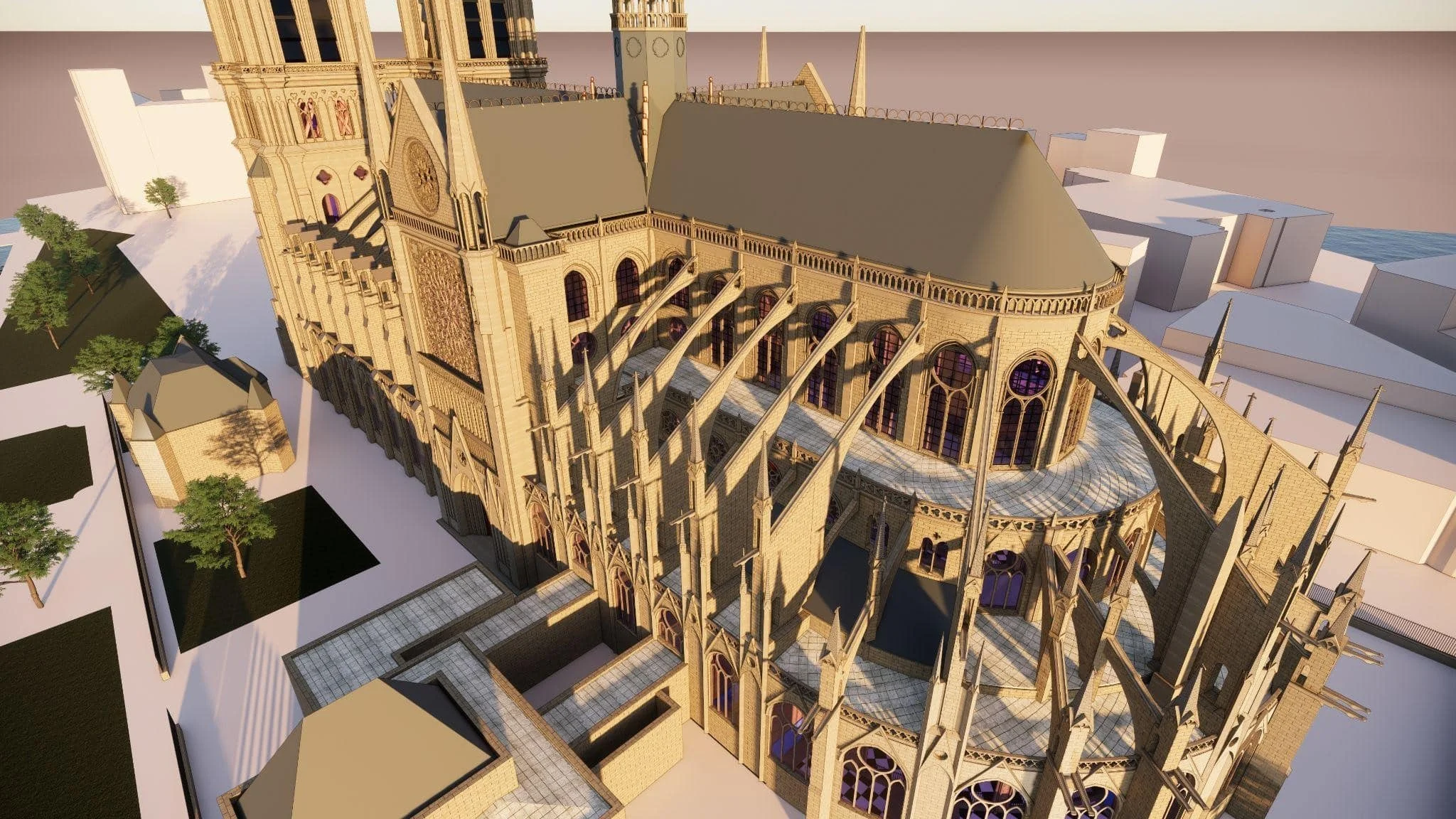
BIM in Heritage Conservation
Source: https://www.autodesk.com/
Notre-Dame Cathedral, France
After a devastating fire in 2019, BIM became the backbone of restoration efforts. Laser scans taken before the fire allowed architects to rebuild the cathedral with precision, ensuring that its historical essence remains untouched.
Sagrada Familia, Spain
Gaudí’s masterpiece, under construction for over 140 years, is finally nearing completion—thanks to BIM technology. It helps architects interpret Gaudí’s complex designs and ensure accuracy in execution.
Basilica of Santa Maria di Collemaggio, Italy
Damaged by an earthquake, this historic church was restored using BIM, ensuring structural stability while preserving its historic architecture.
The Forbidden City, China
A UNESCO World Heritage site, the Forbidden City is being digitally preserved through BIM, helping researchers study its ancient construction techniques while aiding in long-term conservation planning.
The Future of BIM in Heritage Conservation
The use of BIM in heritage conservation is still evolving, and exciting advancements are on the horizon:
- AI & Machine Learning: Automating the detection of structural weaknesses for predictive maintenance.
- Virtual & Augmented Reality (VR/AR): Enhancing interactive experiences for tourists and researchers.
- Digital Twins for Real-Time Monitoring: Continuous updates of a structure’s health, enabling proactive conservation.
- HBIM (Heritage BIM): A specialized subset of BIM tailored for historic structures, allowing more precise restoration techniques.
Conclusion
And now we come to face a delicate reality: that history is fragile. Whatever we protect in terms of old buildings or ancient sites, those will succumb to the ravages of time, the change of weather, and the impact of human beings. But here is the good thing: instead of being bound to conventional methods of restoration, we now have the ability of digital applications such as BIM, which introduces one into a realm where heritage sites can be recorded, analyzed, engrained, and maintained. Like giving history a backup plan for posterity so that they can appreciate its beauty without worrying that it will crumble away.
Can you picture-the possibility of entering by digital means into the Colosseum at the time of its glory? Or walk within the halls of lost palaces in virtual reality? These are not just for preservation, but also to get history really available, engaging, and very lively. So what’s the next step? If you are a history and innovation lover, then it’s time to join in. Whether you are an architect, historian, or just someone who enjoys witnessing the meeting of past and future, there is a place for you in this movement.
Even big buildings or old places may not be preserved. History is fragile: no matter how much we could cherish it, time, weather, and human touch leave their marks. The positive side of it is that we are no longer bound to the traditional way of restoration. With technologies like BIM, we are now capable of encapsulating, analyzing, and preserving heritage sites in an unparalleled manner. Such as giving history the comfort of backup-the only thing future generations need to care about is making their beauty more accessible, rather than worrying about it crumbling away. Imagine it-that we could digitally walk through the Colosseum at the time it was at its best? Or stroll through lost palaces in virtual reality? It is not only about preservation; it is also about making it more accessible, alive, and vibrant than ever.
So, what’s next? For those people who love history as well as a passion for innovation, it is time for you to join in. Whether an architect, historian, or just someone who appreciates the meeting of the past with the future, there is a space for you in this movement.
Let’s Make a Difference Together!
Curious about how Scan to BIM Services can change the future of heritage preservation? Let’s talk! Reach out to our Scan to BIM experts and see how we can bring your vision to life. Want more insights on digital conservation and architectural innovation? Follow our blog for the latest trends, case studies, and expert takes.