In today’s fast-evolving construction landscape, minimizing errors, reducing costs, and ensuring timely project delivery are top priorities for every stakeholder. Clash detection, powered by advanced Building Information Modeling (BIM) technology, have become indispensable for achieving these goals. This article explores how clash detection streamlines construction workflows, prevents costly rework, and fosters collaboration across disciplines-ultimately facilitating seamless project execution.
What is Clash Detection in Construction?
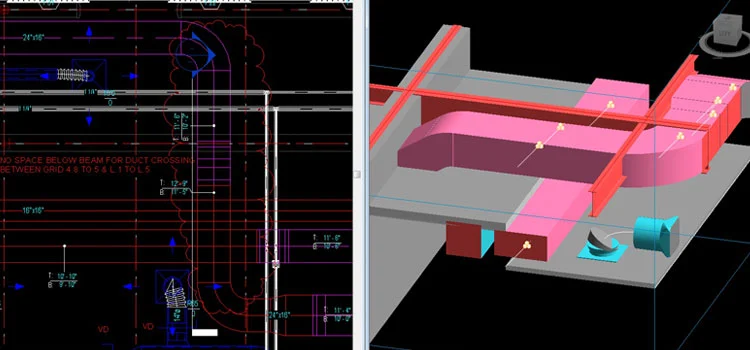
Clash detection is a process within BIM that identifies and resolves conflicts or “clashes” between different building systems-such as structural, architectural, and MEP (Mechanical, Electrical, Plumbing)-before construction begins. By using 3D models, potential issues are detected early, reducing the risk of on-site problems and costly delays.
Related Blog
Why is BIM Clash Detection Important in the Construction Projects?
BIM Clash Detection in Construction ProjectsHow It Works
Modern clash detection leverages powerful software like Autodesk Revit and Navisworks. The workflow typically involves:
- Model Integration: Architectural, structural, and MEP models are combined into a federated BIM model.
- Automated Clash Checks: The software scans for geometric and spatial conflicts.
- Issue Reporting: Clashes are documented, prioritized, and assigned for resolution.
- Coordination Meetings: Teams collaborate to resolve issues before construction begins.
Pro Tip!
For Revit users facing challenges exporting files to Navisworks read this!
Tips for Seamless Revit to Navisworks IntegrationBenefits
Implementing clash detection services offers significant advantages:
- Reduced Rework: Early detection of design conflicts minimizes costly on-site modifications.
- Improved Collaboration: Multidisciplinary teams can coordinate more effectively, reducing communication gaps.
- Optimized Scheduling: Fewer surprises during construction lead to more predictable project timelines.
- Cost Savings: By preventing clashes, projects avoid budget overruns and material waste.
- Enhanced Quality: Deliverables meet higher standards, with fewer defects and change orders.
Understanding NWF and NWD File Formats in Navisworks
Efficient clash detection requires familiarity with Navisworks file formats. The difference between NWF and NWD files is crucial for managing project data and ensuring smooth collaboration.
The Tesla Outsourcing Services Difference
Tesla Outsourcing Services stands out as a trusted partner for BIM and CAD solutions, serving clients in over 25 countries since 2007. Our team of skilled BIM architects, engineers, and CAD professionals delivers tailored clash detection services that:
- Adhere to global standards (IBC, AIA, RIBA, ISO 19650).
- Leverage advanced tools for precise coordination.
- Offer flexible engagement models (project-based, hourly, dedicated resources).
- Ensure rigorous quality checks and transparent communication throughout the project lifecycle.
Need Help?
Discover more about our comprehensive BIM services and how we can support your project from design to delivery.
BIM ServicesThe Role of Clash Detection in BIM Coordination
Clash detection is at the core of effective BIM coordination. By resolving interdisciplinary and intradisciplinary clashes, our team ensures that all building systems work harmoniously.
Dive Deeper!
For a deeper dive, visit our BIM Clash Detection service page.
Clash Detection ServicesBest Practices for Effective Clash Detection
- Regular Model Updates: Keep BIM models current to reflect design changes.
- Clear Communication: Establish a single point of contact for issue resolution.
- Progressive Reviews: Conduct regular coordination meetings to address new clashes.
- Comprehensive Documentation: Maintain detailed records of detected and resolved clashes.
Achieve Seamless Construction with Experts
Clash detection is no longer optional-it’s a critical component of modern construction management. By investing in professional clash detection services, you can mitigate risks, enhance collaboration, and deliver projects on time and within budget.