Building Information Modeling (BIM) is a concept that has gained significant traction in the construction industry. BIM offers a comprehensive approach to construction project management, integrating various aspects such as design, collaboration, and information exchange into a digital platform.
At its core, BIM can be described as a sophisticated 3D modeling process that encompasses a wealth of information about a building project, including its physical and functional characteristics. While its role in streamlining the construction phase is widely acknowledged, this article aims to delve deeper into the less-explored realm of BIM’s applications post-construction. Beyond its immediate implementation during the construction process, BIM has immense potential for optimizing building operations, maintenance, and lifecycle management. By harnessing the power of data-rich models, stakeholders can unlock many benefits, ranging from cost savings to improved sustainability and enhanced operational efficiency, which is why most construction companies nowadays consult with the Providers of BIM Modelling Services.
Through this article, we will explore the diverse ways in which BIM can be effectively utilized beyond the construction phase. From facility management to renovation and retrofitting projects, we will uncover the transformative capabilities of BIM in shaping the future of the built environment.
Understanding BIM in the Post Construction Phase
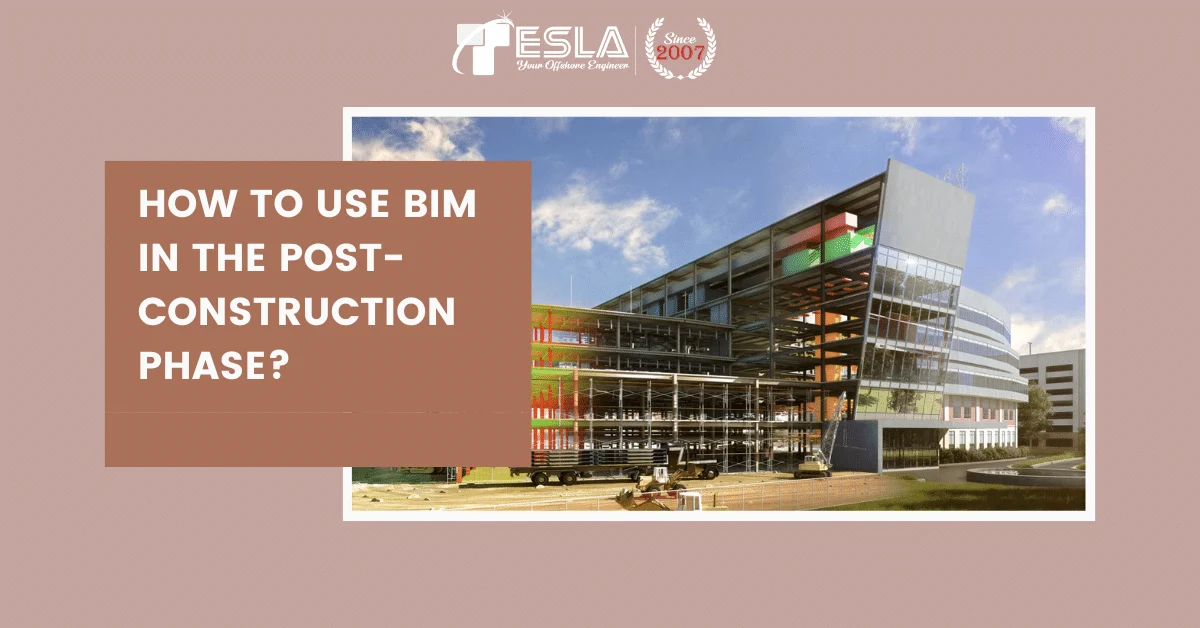
During the construction phase, BIM acts as a centralized digital repository, capturing and integrating a wealth of data related to the building’s design, structure, and systems. As the construction nears completion, this information-rich model becomes the foundation for the building’s ongoing management.
In the post-construction phase, BIM serves as a comprehensive database of valuable information, including as-built documentation, equipment specifications, maintenance schedules, and warranties. It facilitates the smooth handover of project data from construction teams to facility managers and operators, ensuring a seamless transition from one phase to another.
Different Post Construction uses of BIM
- Efficient Facility Management: BIM’s advantage in facility management lies in asset tracking. With a detailed BIM model, stakeholders can accurately locate building components, aiding inspections, repairs, and upgrades. BIM also plays a crucial role in maintenance scheduling by providing a centralized platform which can be used to efficiently plan, track tasks, assign work orders. Real-time data in the BIM model generates accurate maintenance reports. These reports provide comprehensive overviews of activities, costs, and performance, helping identify issues, and optimize maintenance strategies for improved cost-effectiveness and asset longevity.
- BIM for Renovations and Retrofits: Scan to BIM services allow for the creation of a detailed digital model that accurately captures the existing conditions of a building. This model serves as a reliable reference, making it easier to develop precise designs and make informed decisions during the renovation process. BIM’s clash detection features help identify and resolve conflicts between new and existing elements at an early stage, reducing the need for rework and ensuring a smooth execution of the project.
- BIM for Energy Analysis and Sustainability: BIM helps in analyzing and optimizing building performance by simulating various energy-efficient strategies, considering factors like orientation, insulation, lighting, HVAC, and renewables. This assessment identifies areas for reducing energy consumption and implementing effective measures. BIM provides real-time data on energy usage and operational efficiency, which allows operators to optimize energy management, reduce waste, and achieve cost savings. BIM also evaluates environmental impacts by assessing energy use and emissions throughout the lifecycle of the building. This data helps to prioritize sustainability, minimize environmental impact, and pursue green certifications.
- BIM for Facility Expansion and Future Planning: BIM plays a crucial role in assisting facility managers in visualizing and assessing different options for enhancing existing facilities while minimizing the impact on both building performance and occupants. By leveraging BIM’s capabilities, facility managers can explore and evaluate potential improvements in a virtual environment before implementing them in the physical space. In terms of future planning, BIM aids in accurate cost estimation, scheduling, and coordination of future projects, optimizing resource allocation, and ensuring efficient project execution.
Examples of BIM use post construction:
- The San Francisco Museum of Modern Art, USA: The San Francisco Museum of Modern Art used BIM to create a 3D model of the building, which was used to optimize the facility’s energy efficiency and reduce its carbon footprint. The model was also used to manage the facility’s operations and maintenance.
- The University of Salford, UK : The University of Salford used BIM to create a digital twin of its campus buildings. The digital twin includes information on everything from the location of electrical outlets to the condition of the roof. The university uses the digital twin to manage the facility’s operations and maintenance, as well as to plan future renovations and expansions.
- The Francis Crick Institute, UK: The Francis Crick Institute is a biomedical research facility in London. BIM was used to create a 3D model of the building, which was used to optimize the facility’s energy efficiency and reduce its carbon footprint. The model was also used to manage the facility’s operations and maintenance.
Conclusion
In conclusion, the insights gained reveal that BIM transcends its usefulness as a collaboration tool solely during the construction phase. Its value extends to post-construction activities, including facility management, renovations, and lifecycle analysis. As BIM continues to gain global recognition in the construction industry, its adoption will undoubtedly increase. The multifaceted benefits of BIM in streamlining operations, optimizing resource allocation, and facilitating informed decision-making make it an indispensable asset in ensuring the efficiency, sustainability, and success of built environments. As stakeholders increasingly embrace BIM, we can anticipate a future where its utilization becomes the norm, driving innovation and transforming the construction industry.