Introduction
In the dynamic arena of construction, BIM Services have emerged as a transformative force, enhancing efficacy and collaboration. An important factor in BIM’s efficacy is the concept of Level of Development (LOD). It is a gauge of a digital model’s detail and reliability and ranges from 100 to 500. This article navigates the nuanced landscape of As-Built BIM models, emphasizing the critical intersection with LOD 500. As-Built models provide a comprehensive post-construction snapshot of the built environment, serving as a valuable record. LOD 500 ensures unparalleled accuracy in these models, capturing the minutiae of the final constructed reality. Join us on a journey to unravel the symbiotic relationship between LOD 500 and As-Built BIM, exploring how this pinnacle of development not only meets exacting precision standards but also proves indispensable in addressing key aspects of both construction and subsequent phases.
Understanding LOD 500
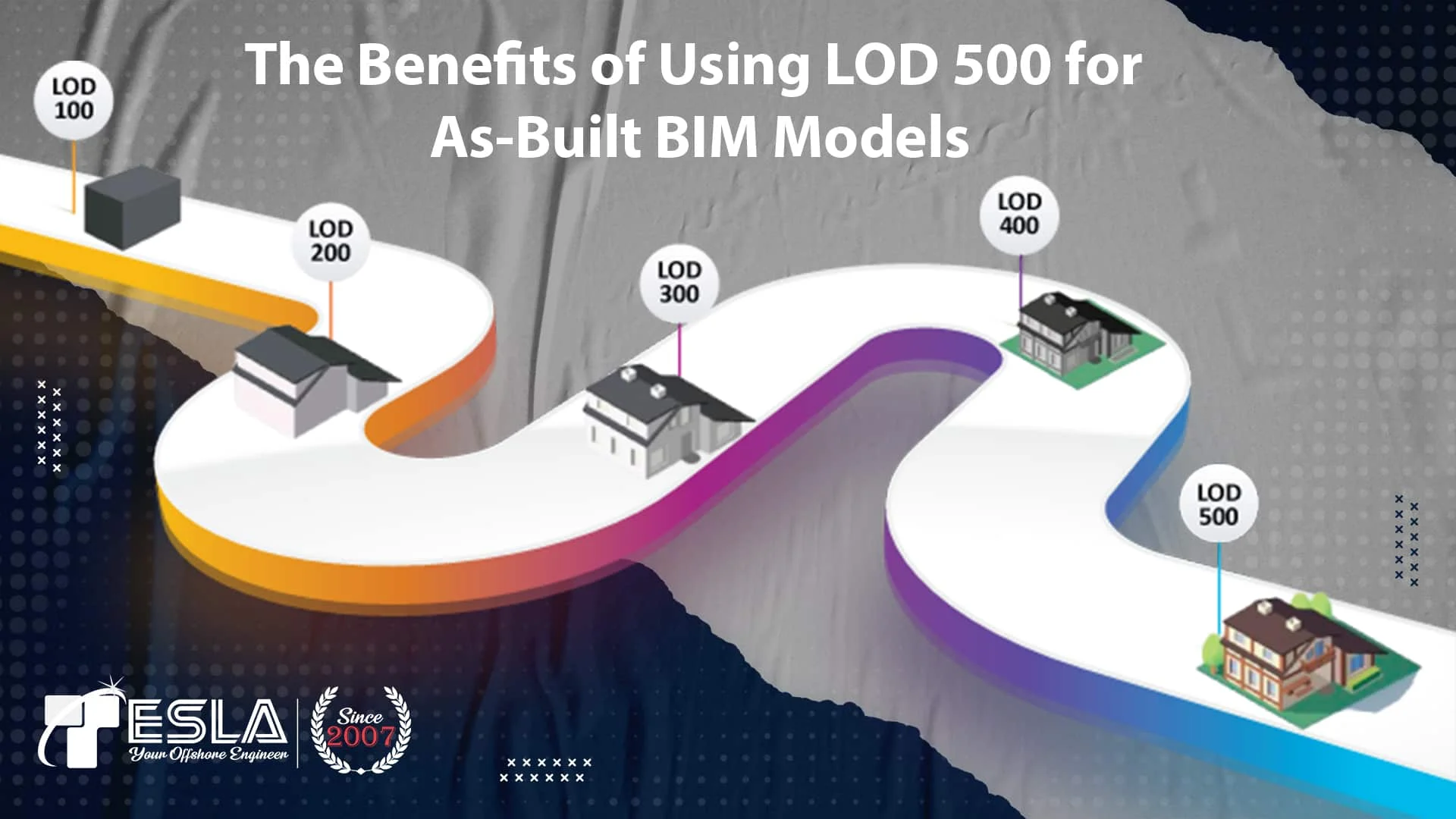
At the heart of the Building Information Modeling (BIM) evolution lies the pivotal concept of Level of Development (LOD), a gradation that reflects the depth and reliability of digital models. LOD 500 represents the highest level of development, characterized by a meticulous level of detail and accuracy. In the context of As-Built BIM models, LOD 500 becomes the gold standard in Construction Documentation Services, ensuring that the digital representation mirrors the real-world construction with unparalleled precision. This level of refinement is not merely about capturing the macroscopic elements but extends to the intricate nuances that define the final built environment. In essence, LOD 500 signifies a commitment to digital excellence, where each element in the model corresponds meticulously to its physical counterpart, laying the foundation for a reliable and comprehensive representation of the constructed reality.
As-Built BIM Models
As the construction journey culminates, the significance of As-Built BIM models comes to the forefront. These models serve as dynamic repositories, encapsulating the post-construction reality with unparalleled fidelity. Unlike initial design phases, As-Built models provide a comprehensive and accurate representation of the built environment, incorporating any changes or deviations that occurred during construction. The essence of these models lies in their ability to act as a digital twin, reflecting the intricate details and actual state of the project upon completion. As stakeholders increasingly recognize the value of As-Built data for ongoing operations and future modifications, the importance of achieving LOD 500 becomes evident. LOD 500 ensures that As-Built BIM models not only serve as historical records but as living documents, facilitating efficient facility management, maintenance, and seamless collaboration throughout the lifecycle of a structure.
Benefits of LOD 500 for As-Built BIM Models
-
Precision and Accuracy:
LOD 500 delivers precision and accuracy in As-Built BIM models. It demands a meticulous level of detail, ensuring that every component, from structural elements to intricate systems, is faithfully represented. This precision minimizes discrepancies between the digital model and the actual constructed environment, laying the groundwork for reliable decision-making and project management.
-
Clash Detection and Coordination:
Achieving LOD 500 is paramount for effective clash detection and coordination during construction. The comprehensive detail provided by LOD 500 enables project teams to identify and resolve conflicts before they manifest on-site. This not only streamlines the construction process but also significantly reduces the likelihood of costly rework, delays, and disruptions.
-
Facility Management and Maintenance:
Beyond the construction phase, LOD 500 plays a pivotal role in efficient facility management and maintenance. The detailed As-Built BIM model becomes an invaluable tool for facility managers, offering a holistic view of the structure’s components. This aids in proactive maintenance planning, asset tracking, and the seamless integration of new systems or modifications, ensuring optimal performance throughout the building’s lifecycle.
-
Legal and Compliance Requirements:
Meeting legal and compliance requirements is a non-negotiable aspect of construction projects. LOD 500, by virtue of its comprehensive detailing, assists in fulfilling these obligations. From regulatory approvals to documentation for future audits, the detailed As-Built model serves as a reliable and compliant resource, mitigating risks associated with non-compliance.
In essence, LOD 500’s benefits extend far beyond the digital realm, shaping the physical reality of construction projects. Its emphasis on precision, clash detection, facility management, and compliance underscores its indispensable role in elevating the efficacy and longevity of As-Built BIM models.
Conclusion
In conclusion, the harmonious integration of LOD 500 and As-Built BIM models stands as a pivotal factor in achieving digital excellence within the construction domain. LOD 500, symbolizing the utmost level of development, ensures a meticulous representation of structures in the digital realm, fostering precision and accuracy. As-Built BIM models, acting as dynamic post-construction repositories, faithfully mirror the real-world environment. The tangible benefits extend throughout a project’s lifecycle, facilitating streamlined clash detection, efficient facility management, and compliance fulfillment.


