BIM Modeling for Heathrow Airport
Project Details
- Type of Project: Scan to BIM Conversion
- Scope: Architecture + Structural + MEP
- Building Type: Commercial Airport
- LOD: 300
- Area: 1,70,887 sq. ft.
- Floors: 3
- Software: Revit
- Accuracy: 15 mm
-
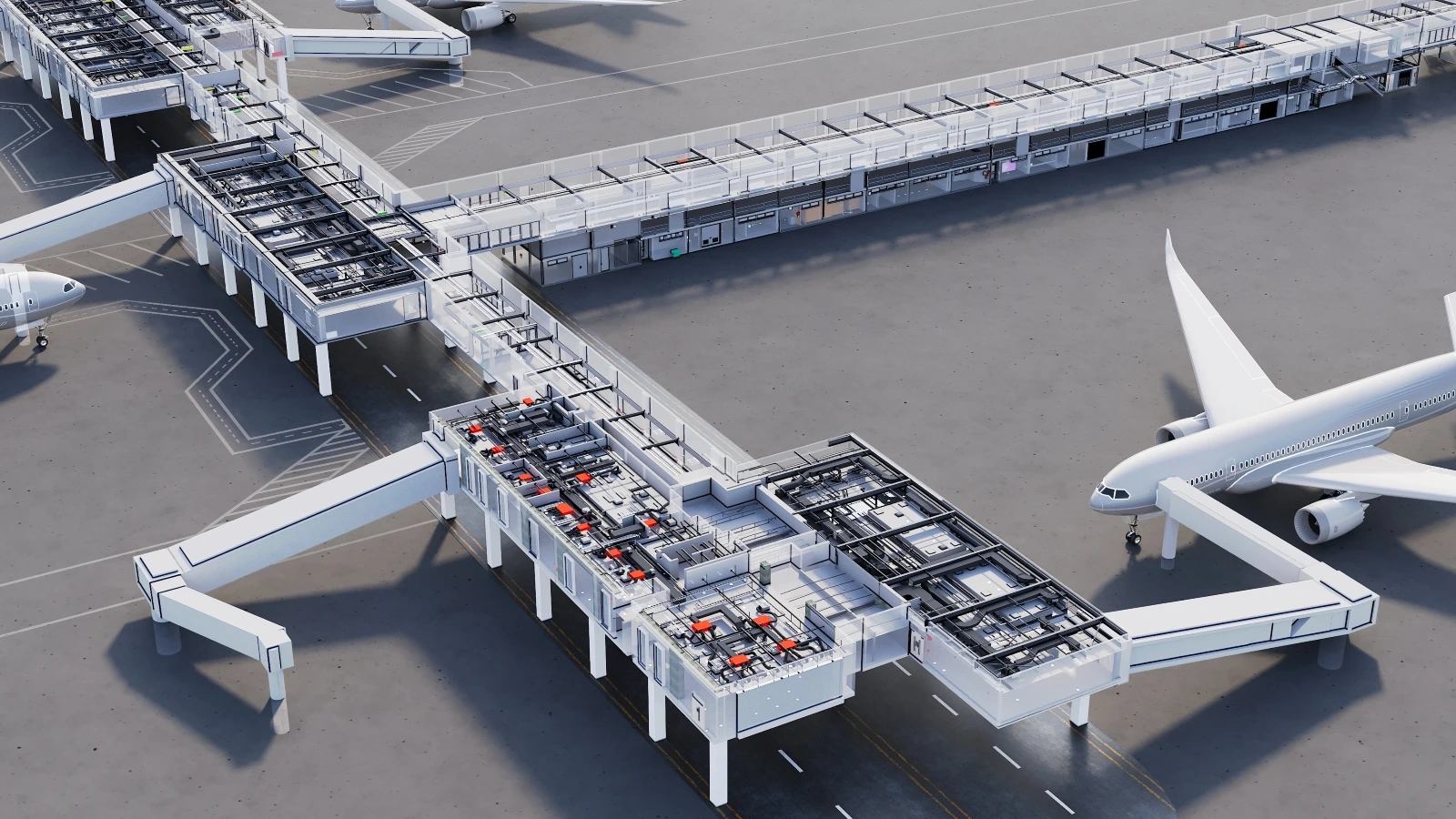
BIM Modeling of International Airport Terminal – Heathrow Airport
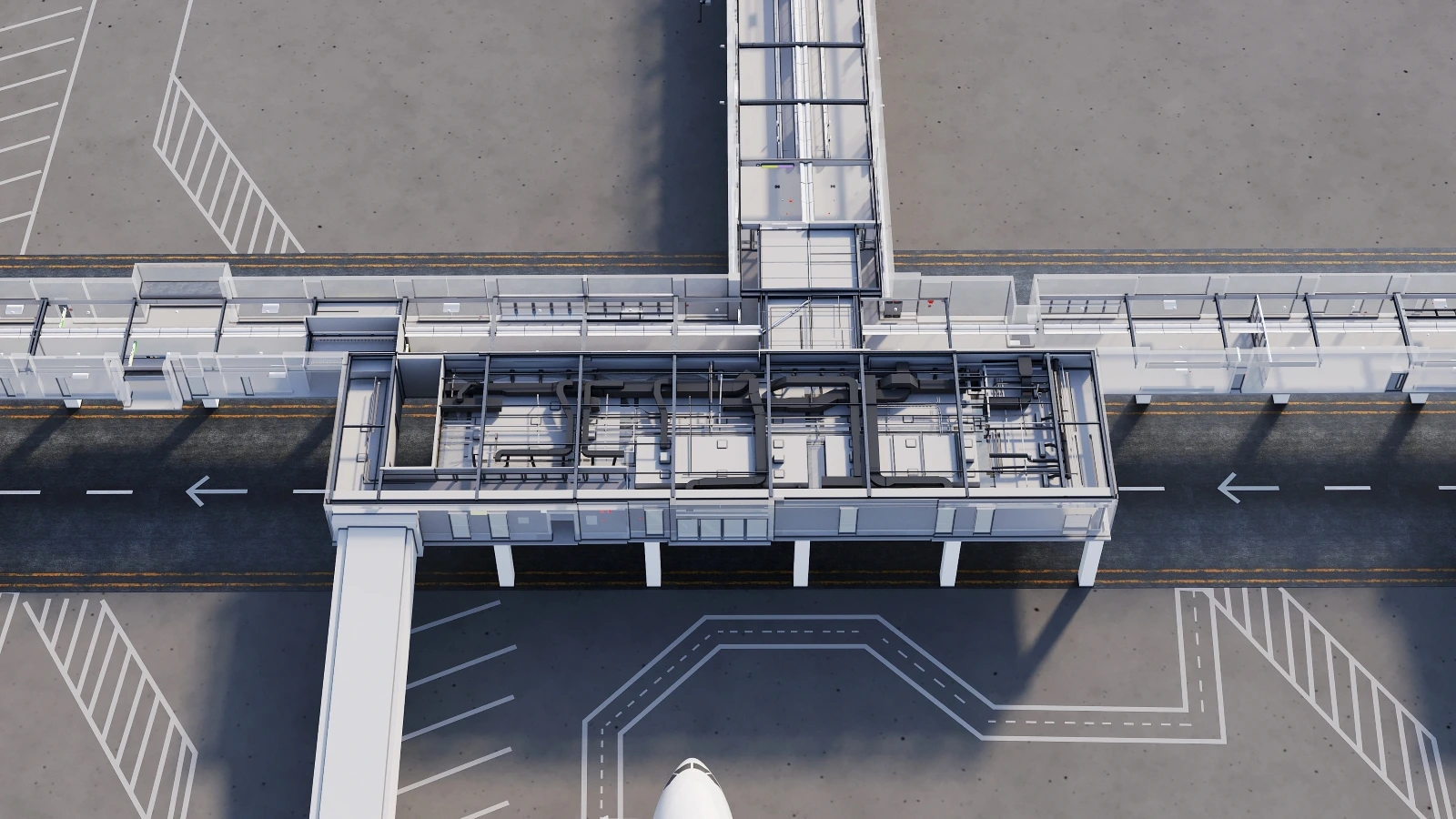
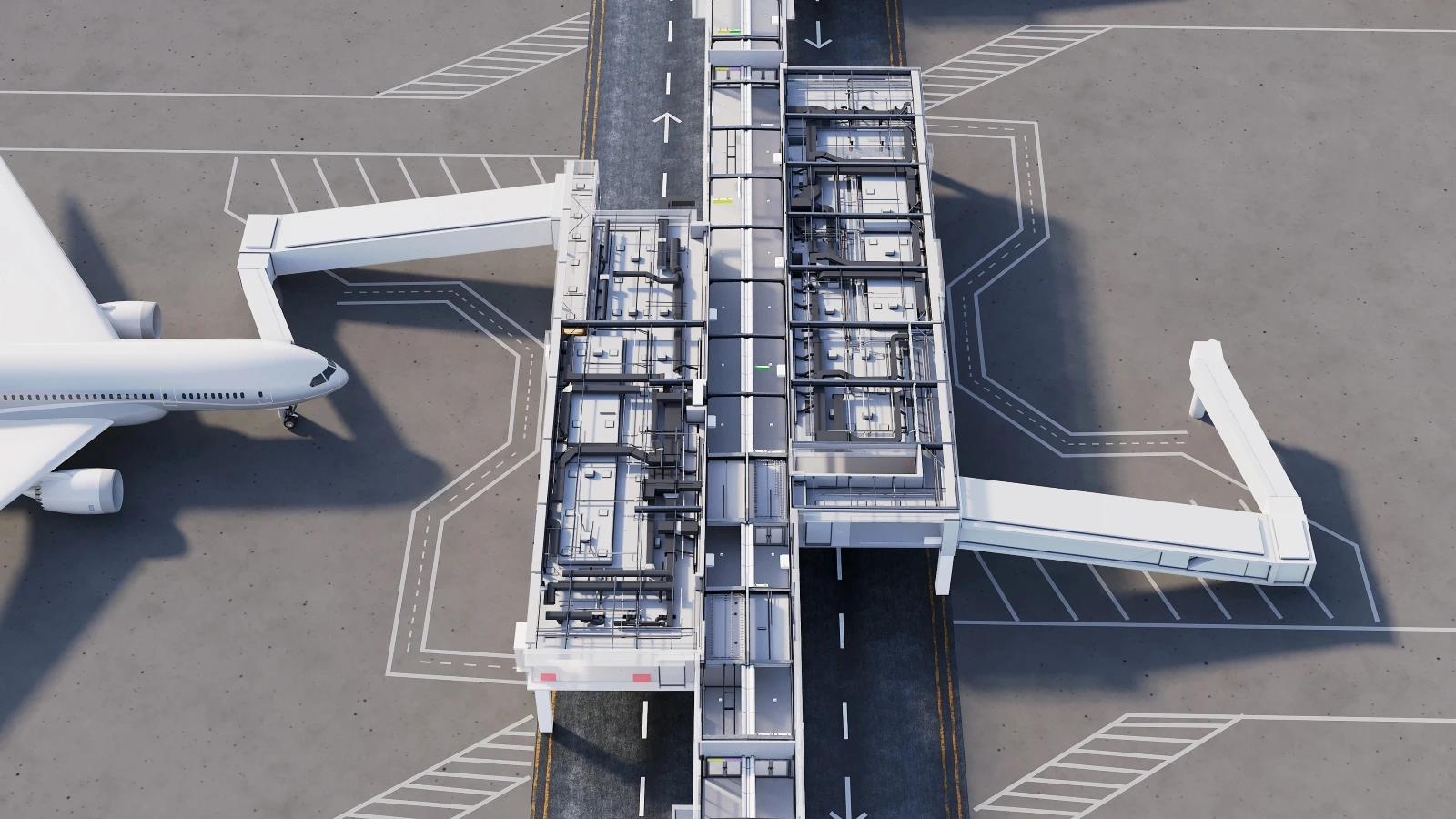
We are proud to showcase our latest Scan to BIM project: Heathrow Airport's Terminal 3, focusing on the gate areas for detailed modeling of specific elements, detailing and complex fixtures in MEP.
Modeling Heathrow's Terminal 3 gates involved creating a precise BIM model of their physical structure, functionality, and design. From ceiling design to passenger flow, every detail was captured using Scan to BIM to provide accurate data for future renovations, maintenance, and operational improvements. This ensures the efficient operation of this major international airport.

"Working with Tesla Outsourcing Services was a positive experience. Their consultative approach, combined with their commitment to quality and speed, resulted in the successful and on-time modeling for the gates in Terminal 3."
– Daniel
Project Deliverables
- BIM Model Files: Finalized, fully integrated BIM files containing all relevant information for the gates and terminals, including architectural, structural, MEP.
- The LOD of this project was 300 (Basic Design Development): This level includes geometry of walls, columns, and other primary structural elements.
Model Contents

- Architectural Elements: Modeling focused on key features such as gates, walls, flooring, ceiling systems, and door openings, with particular attention to complex geometry, including large glass walls and intricate ceiling structures.
- Structural Elements: The structural model includes columns, beams, roof supports, and other critical elements essential for the stability and safety of the gates.
- MEP (Mechanical, Electrical, Plumbing) Systems: The MEP BIM model incorporates all mechanical systems (HVAC), electrical systems (lighting), plumbing, fire suppression, and safety systems.

HVAC Systems
Air ducts, diffusers, and ventilation systems that help control airflow in the gate areas.

Electrical Systems
Covers lighting fixtures, power outlets, communication systems, and emergency lighting for safety.
Plumbing Systems
Includes water supply and drainage for bathrooms and other water systems within the gates and nearby areas.
Challenges
Complex Geometry and Detailing
The gates' areas include a mix of complex geometries, including curved roofs, glass facades, and detailed seating arrangements. Capturing these geometric details accurately requires high-resolution point cloud data and advanced modeling techniques.
Integration of MEP Systems
Accurate integration of MEP systems, such as ventilation, lighting, and air conditioning, is critical for ongoing operation and maintenance of the gates
Safety Features
Ensuring all safety features, like emergency exits, alarms, and fire suppression systems, are captured and modelled with accuracy is essential to maintain regulatory compliance
Project Gallery