The mega buildings are not only highways, airports, metro systems, smart cities, or industrial corridors, but now they are not confined to concrete and steel. These are concerning data, coordination, and intelligence in the long term. Two technologies that have operated side by side have existed over the years. Their meeting is now defining the new way infrastructure is planned, designed, constructed, and operated.
GIS (Geographic Information Systems)—handling of big data in space and geography.
BIM (Building Information Modeling)—controlling the design and construction data.
We shall discuss why the GIS-BIM integration of infrastructure projects is becoming a strategic strength to governments, EPC companies, infrastructure developers, and those owning infrastructure.
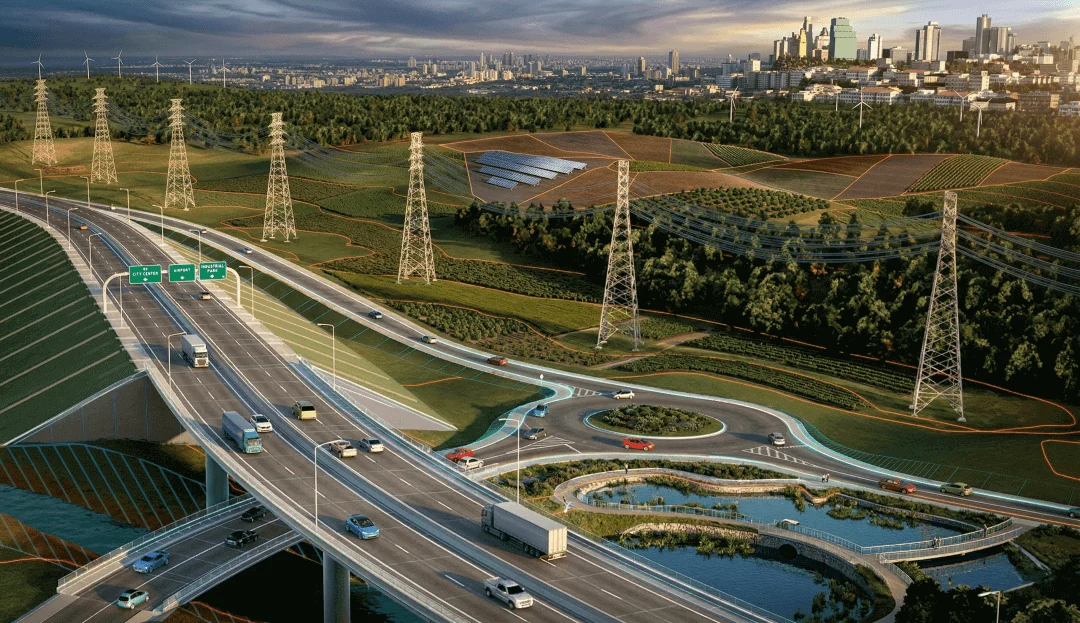
Integrating GIS and BIM
Understanding the Core Difference: GIS vs. BIM
It is also necessary to know what each of the systems adds to infrastructure projects before speaking about convergence. The reason behind the creation of GIS and BIM is quite different; however, they work together as a potent team.
GIS – The Macro-Level Intelligence
GIS works on a massive geographic scope. It assists the planners of a project to come to terms with the environment, terrain, utilities, and socio-economic setting of a project. It answers strategic “where” and “why” questions before design even begins. GIS typically works at the regional, city, or national scale, making it ideal for infrastructure corridor planning.
- Terrain and elevation mapping
- Land use and zoning analysis
- Environmental constraints
- Floodplain and risk mapping
- Utility networks and transport overlays
- Demographic and urban growth data
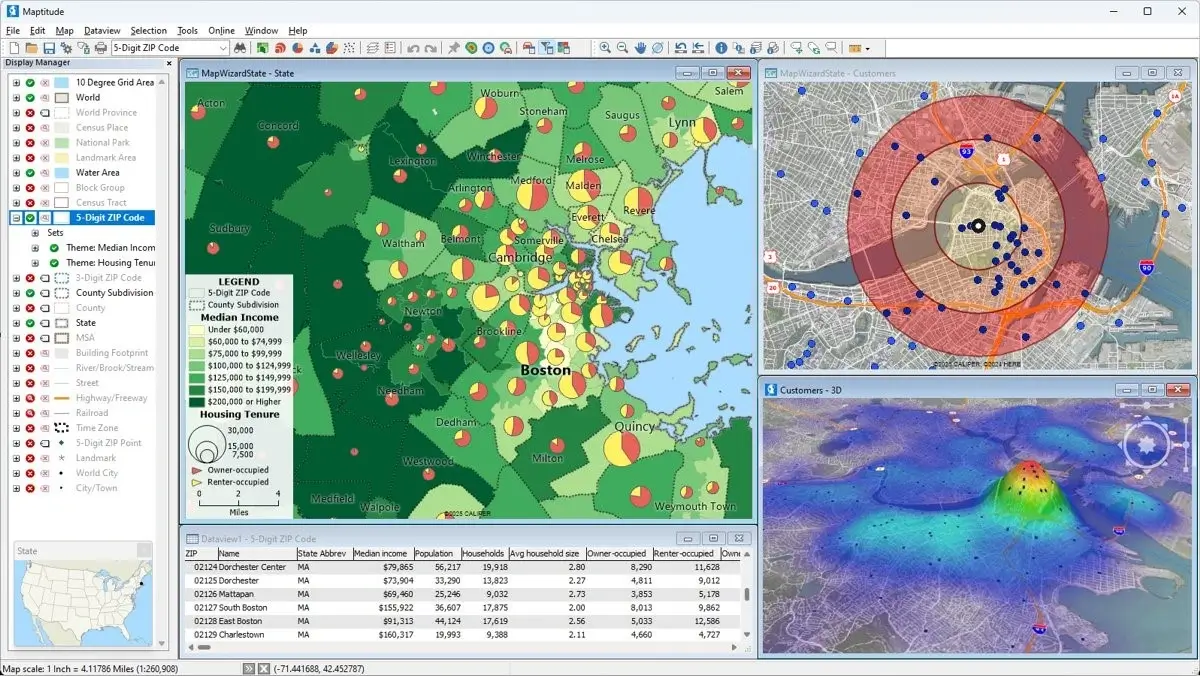
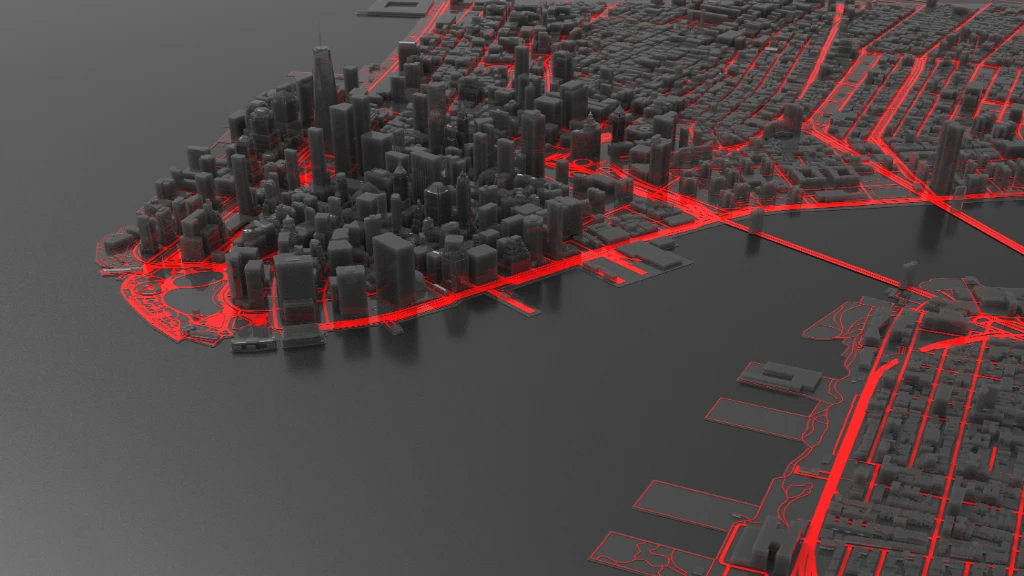
GIS Spatial Analysis – SOURCE
BIM – The Micro-Level Precision
BIM focuses on the engineering and construction side of infrastructure. It creates intelligent 3D models that include geometry, materials, quantities, sequencing, and lifecycle data. BIM answers detailed “how” and “what” questions. BIM operates at the asset and component level, offering deep engineering accuracy.
- 3D design modeling
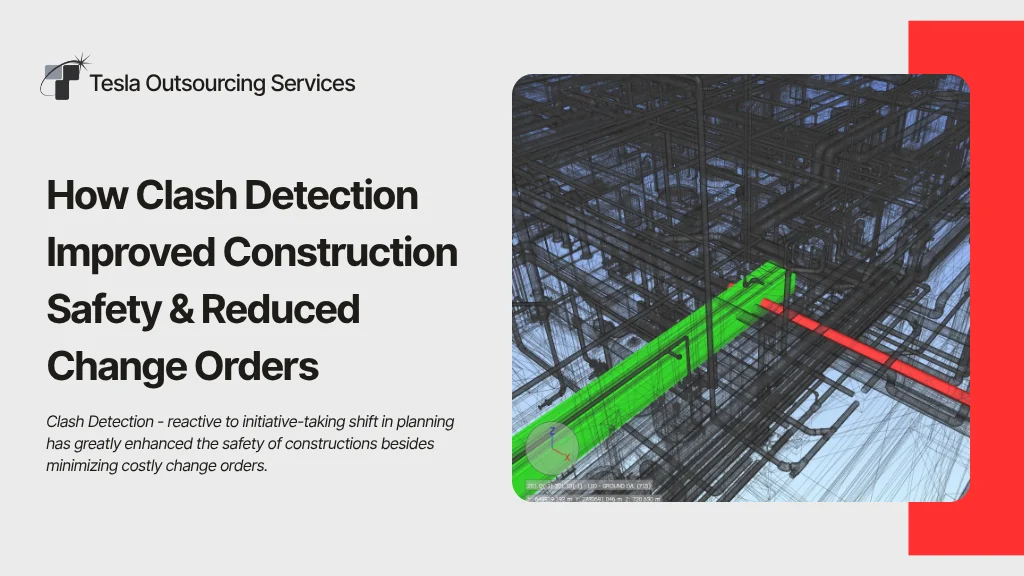
- Clash detection and coordination
- 4D scheduling (time integration)
- 5D cost estimation
- Material take-offs
- Asset data for operations
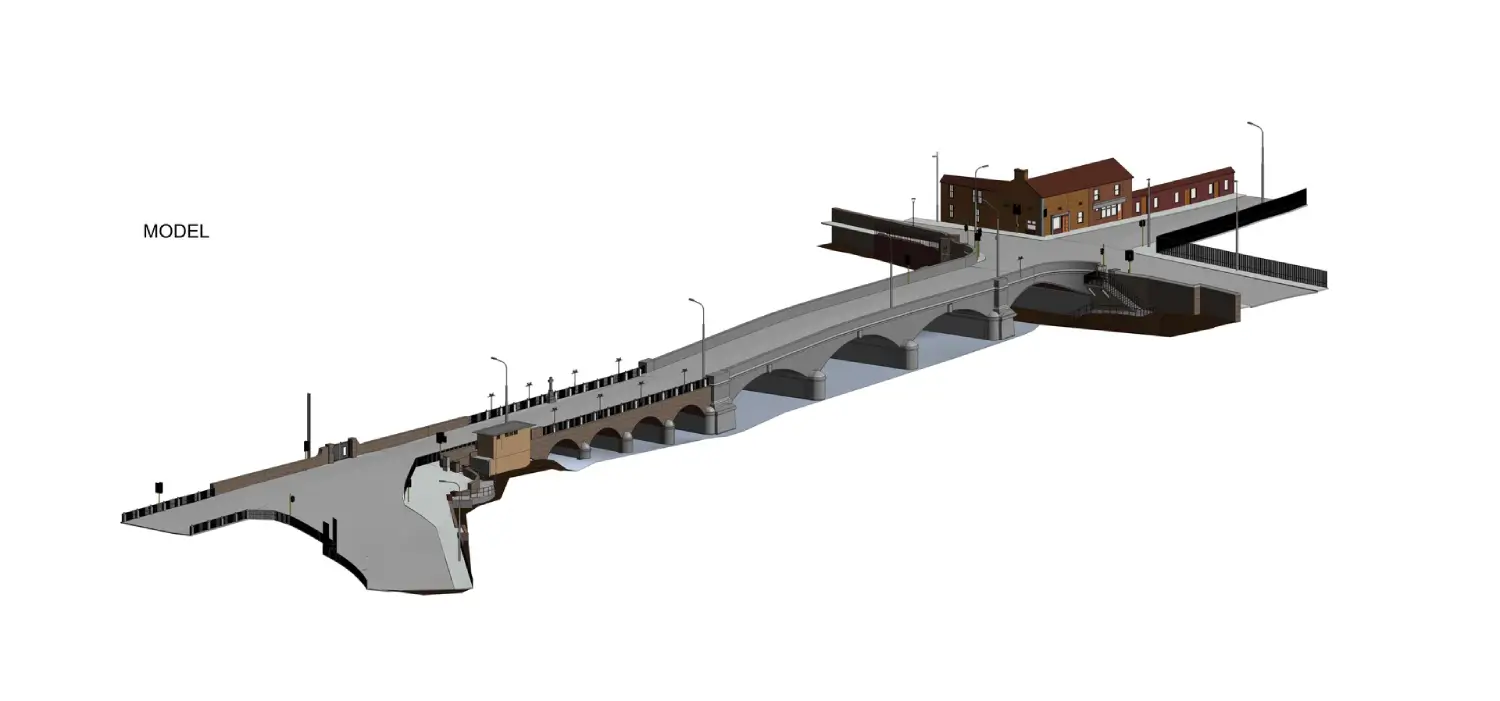
3D BIM infrastructure model
Planning Smarter at the Regional Scale
Corridor-level development infrastructure projects usually start with feasibility studies and analysis of infrastructure. Without geographical context, the design choices can ignore geographical hazards or governmental toughies. By introducing BIM into GIS environments, it is guaranteed that the decisions of the engineering profession are in line with the geographical realities.
According to the 2025 AEC Global Trends Report (released Oct 2025), infrastructure projects utilizing integrated GIS-BIM workflows have seen an average 18% reduction in preliminary site feasibility costs due to earlier identification of environmental risks.
Indicatively, other agencies like the U.S. Department of Transportation rely more on geospatial integration to assess the resilience of infrastructure and planning approaches of the region. Using a combination of GIS-BIM, the planners will be capable of:
- Analyze metro alignments against flood zones.
- Study highway routes relative to terrain gradients.
- Evaluate environmental impact before final design.
- Identify land acquisition constraints.
- Map utility relocation needs
Digital Continuity over the End
Most of the significant infrastructure projects tend to go through a series of processes, which include but are not limited to feasibility, design, construction, handover, and maintenance. In the case of the separation of GIS and BIM, there is a tendency to lose data in between phases. Integration brings about digital continuity throughout the lifecycle.
Technology suppliers such as Autodesk and Esri are making it possible to have synchronized workflows between geospatial and BIM environments, with the two talking directly to each other.
Integrated workflows enable:
- Geo-referenced BIM models
- Automatic synchronization of updates
- Unified dashboards across departments
- Reduced duplication of data
- Smooth transition to asset management systems
Improved Risk and Environmental Management
Environmental regulation, climate change, and risk mitigation are of great concern to large-scale clients of infrastructure. When the BIM models are overlaid on the GIS risk maps, the engineers will get a clear picture of the environmental exposure.
New 2025 industry benchmarks indicate that “geo-referenced” models reduce site surveying rework by an average of 22% by identifying underground utility conflicts before physical excavation begins.
The combination of the two systems leads to teams being able to:
- Evaluate bridges against floodplain data.
- Assess tunnels for groundwater and soil conditions.
- Simulate sea-level rise for coastal infrastructure.
- Study heat island impacts in urban corridors.
- Improve environmental compliance documentation.
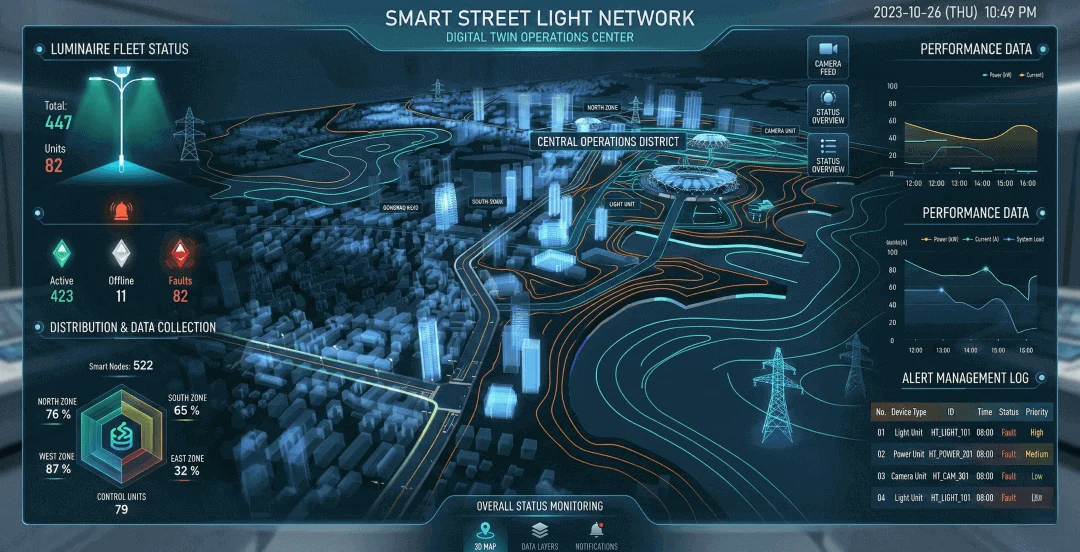
Smart City: GIS + Digital Twin
Stakeholder Communication
The infrastructure projects are also characterized by a range of stakeholders, and some of these stakeholders include the government agencies, consultants, contractors, investors, and communities. Delays and conflicts are normally caused when there is a failure of alignment between them. GIS-BIM integration increases transparency through the application of visual and interactive forms of communication.
Other urban centers like Singapore are adopting combined strategies of digital twins to scale up collaboration and citizens’ involvement in infrastructure planning.
Integrated communication tools enable the following:
- Web-based interactive 3D maps
- Real-time construction dashboards
- Public transparency portals
- Visual simulations for approvals
- Improved coordination of meetings
Scalable Infrastructure Digital Twins
Infrastructure owners are making digital twins their strategic priority. Nonetheless, a digital twin will not be able to operate without geographic location and engineering accuracy. GIS provides the spatial foundation, while BIM supplies the asset intelligence.
Gartner’s 2026 infrastructure outlook predicts that 60% of large-scale projects will mandate integrated geospatial digital twins for regulatory approval and ESG reporting by the end of 2026.
Integrated digital twins allow:
- Real-time monitoring of highways
- Structural health tracking for bridges
- Metro system performance analysis
- Predictive maintenance scheduling
- IoT-based sensor integration
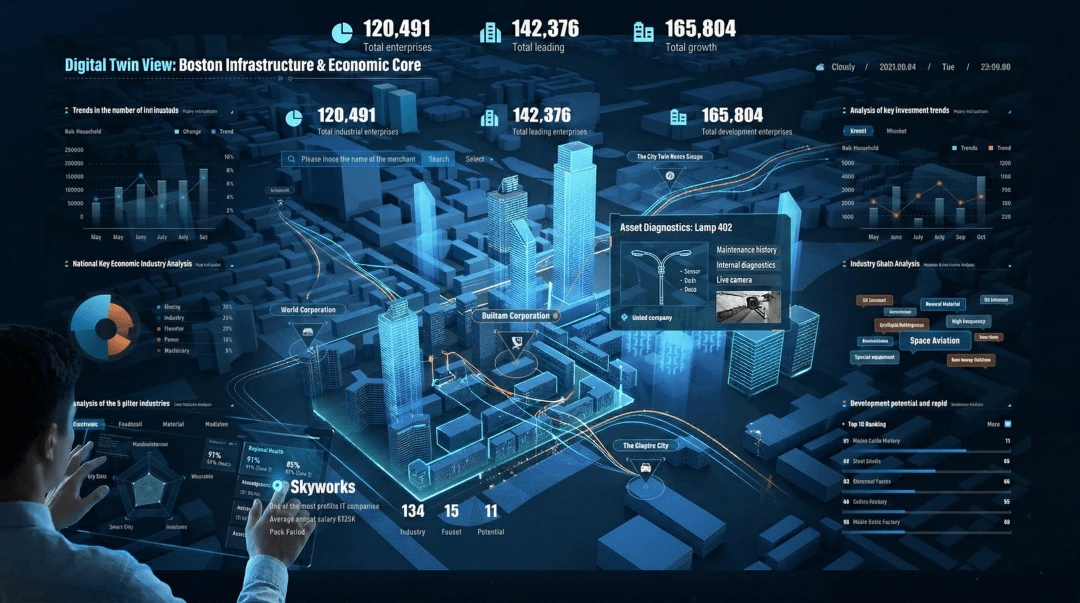
Smart City Digital Twins Concept
Phase Optimization on Construction
Large-scale corridor construction is characterized by coordination, topography, weather, and resource coordination. The integration of GIS and BIM enables the project managers to visualize the construction progress geographically.
The combination of the two systems leads to teams being able to:
- Map construction progress geographically.
- Link delays to terrain or weather data.
- Optimize material delivery routes.
- Monitor multi-site projects centrally.
- Improve workforce deployment.
Asset Lifecycle and Maintenance Intelligence
Infrastructure assets often operate for decades. Traditionally, valuable design data is not fully used during operations. GIS-BIM convergence ensures every asset is geo-tagged and information-rich.
Integrated lifecycle systems enable:
- Precise location-based maintenance tracking
- Component-level lifecycle data access
- Predictive maintenance alerts
- Faster fault detection
- Reduced long-term operational costs
Strategic Value for Large-Scale Infrastructure Clients
To the transport authorities, government, industry developers, and even EPC firms, GIS-BIM convergence is not just another technological breakthrough; it promises to be a transformational strategic approach. It facilitates smarter decisions on investment and infrastructure ecosystems of the future.
Organizations adopting this approach gain:
- Data-driven decision-making
- Improved resilience planning
- Stronger ESG reporting
- Faster regulatory approvals
- Competitive advantage in large tenders
GIS-BIM convergence is the backbone of 2026 infrastructure, but it doesn’t work in isolation. Discover how AI and Robotics complete the loop in our master framework The 2026 AEC Technology Landscape.
GIS-BIM Convergence: Where it is going
GIS-BIM convergence is headed to a place where infrastructure is no longer treated as a stand-alone project but as a network, a smart network. Rather than being designed and stored as static, scattered data files, infrastructure assets will have the form of living, digital, continually updating, learning, and improving environments. It is the combination of geospatial intelligence and detailed engineering models that will form the basis of the way cities grow, the way transport networks work, and how national infrastructure is designed. We will be witnessing in the next few years:
- Digital twins that are linked with sensors on bridges, highways, and railways in real time.
- Machine learning to avoid lost time on maintenance issues.
- Climate and risk simulations are embedded directly into infrastructure models.
- City- and nation-scale infrastructure dashboards for smarter decision-making.
- Seamless cloud collaboration across global project teams.
- Carbon tracking and sustainability metrics are integrated into the design.
In the future, infrastructure will be smarter, more responsive, and more data-driven. GIS will keep supplying the greater geographic intelligence, BIM will supply the engineering accuracy, and they will fuel the resilient and future-proof infrastructure ecosystems. It is not slackening; the convergence is becoming the norm as a way for the next generation of large-scale infrastructure to be constructed and operated.
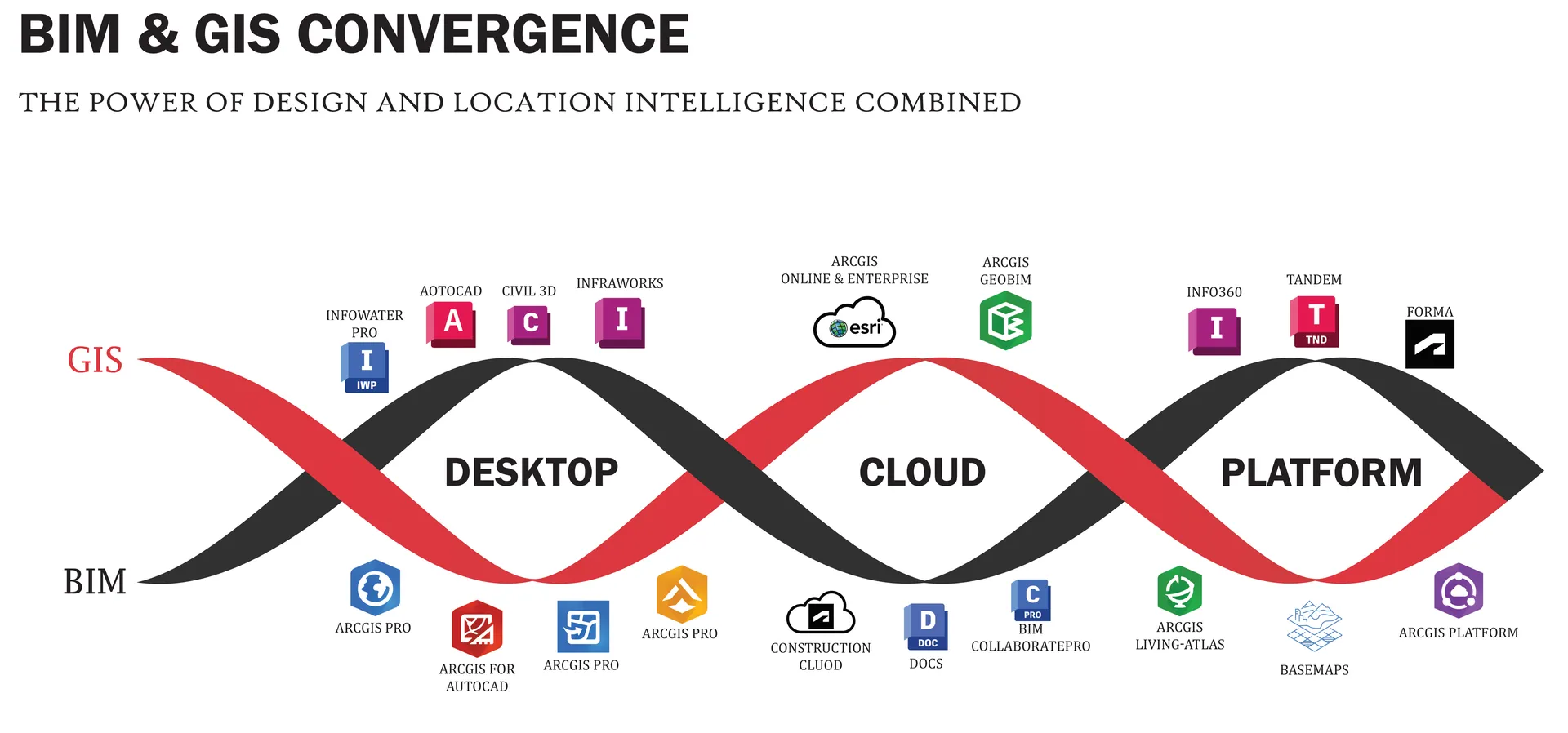
GIS & BIM future
Conclusion
GIS tells infrastructure leaders where and why.
BIM tells them how and what.
GIS-BIM convergence is not the unifying solution of technical improvement alone; it is the wiser solution to constructing infrastructure. Geographic intelligence, combined with engineering to perfection, makes projects more transparent, quicker, and more reliable. Planners see the big picture, engineers design in the context of the real world, and asset owners see the long-term perspective.
To large-scale infrastructure clients, this entails:
- Smarter planning decisions
- Lower risks and fewer surprises
- Better coordination across teams
- Stronger sustainability outcomes
- Higher life cycle value
Simply speaking, GIS presents the surrounding world, and BIM characterizes the project. They build a potent online backbone to highways, railways, airports, intelligent cities, and industrial-dispersed belts when put together. The future of infrastructure lies with the ability to bring data, design, and geography together as one ecosystem with ease and smoothness, and GIS-BIM convergence will be the key to such a future.